Here you can browse through my blog posts prior to February 2022. Currently I'm sharing my travel experiences, candid opinions, and what's on my mind solely on my Facebook page. — Rick

L.A. Times Op-Ed: Tune Out Cable News and Turn Away Fear

Thanks for the many thoughtful comments on my recent LA Times editorial about fear (which you can read at the end of this post). One man, noting that he was “getting closer to that permanent dirt nap,” acknowledged that he needs to put the fear aside and see our world. Others took my thoughts a step further, noting that “Fear is the next sex… it sells, sells, sells” and “Fear is a first cousin to Hate.”

I had hoped to run the editorial before our recent election, but missed it by a few days. In light of our election — which provided a reminder of how media and fear mingle before a big vote — I’d love to hear more of your thoughts on the issue. If you have friends who might enjoy this discussion, please share this post. Thanks and happy travels.
tune-out-cable-1200


L.A. Times Op-Ed: Tune Out Cable News and Turn Away Fear
By Rick Steves

I miss the days when people would say “Bon voyage” to travelers heading off. Today, Americans instead say “Travel safely.”

I travel a lot. In the last year or so I’ve been to Egypt, the West Bank, Israel, Turkey and Russia. My loved ones worry out loud: “Rick, do you think this is safe?” I always assure them, “As long as I’m not traveling through Chicago, I think I’ll be OK.”

After traveling and lecturing across the United States in recent months, it strikes me that our

nation has never been so racked with fear. The paramount concern is “national security”: the fear that apocalyptic forces outside America’s borders — Islamic State, Ebola, immigrants from Latin America — will creep in and overwhelm us.

But the more I travel, the clearer it seems to me: Fear is for people who don’t get out much. These people don’t see the world firsthand, so their opinions end up being shaped by sensationalistic media coverage geared toward selling ads. Sadly, fear-mongering politicians desperate for your vote pile on too.

Commercial television news is hammering “the land of the brave” with scare tactics as never before. I believe the motivation is not to make us safer. It’s to boost ratings to keep advertisers satisfied and turn a profit.

When Walter Cronkite closed the evening news by saying, “And that’s the way it is,” I believe that, to the best of journalists’ knowledge, that really was the way it was. In those days, television networks were willing to lose money on their evening news time slot to bring us the news. It was seen as their patriotic duty as good corporate citizens.

But times have changed, and now corporations have a legal responsibility to maximize short-term profits for their shareholders. They’ve started sexing up, spicing up and bloodying up the news to boost ratings. And 24/7 news channels have to amp up the shrillness to make recycled news exciting enough to watch.

In a sense, news has become entertainment masquerading as news. Now an event is not news, it’s a “crisis.” Today it’s Islamic State militants and Ebola. Last month, the greatest threat civilization was apparently the National Football League turning a blind eye to domestic violence. Or was it racist cops? Or child immigrants at the Mexican border? Of course, these are serious issues. But hyping a news story as a “crisis” and lurching erratically from one to the next serves only to stir people up. Mix in negative political ads, and it can feel as if the world is falling apart.

The unhappy consequence: We end up being afraid of things we shouldn’t be — and ignoring things that actually do threaten our society, such as climate change and the growing gap between rich and poor.

It seems that the most fearful people in our country are those who don’t travel and are metaphorically barricaded in America. If we all stayed home and built more walls and fewer bridges between us and the rest of the world, eventually we would have something to actually be fearful of.

I’ve found that one partial solution is a simple one: travel.

The flip side of fear is understanding. And we gain understanding through travel. As you travel, you realize that we’re just 300 million Americans in a much wider pool of 7 billion people. It’s good for our national security to travel, to engage with the other 96% of humanity and gain empathy for people beyond our borders.

Don’t let fear-mongering politicians and ratings-crazed news channels shape the way you see our world. Get out there and experience it for yourself. Bon voyage.
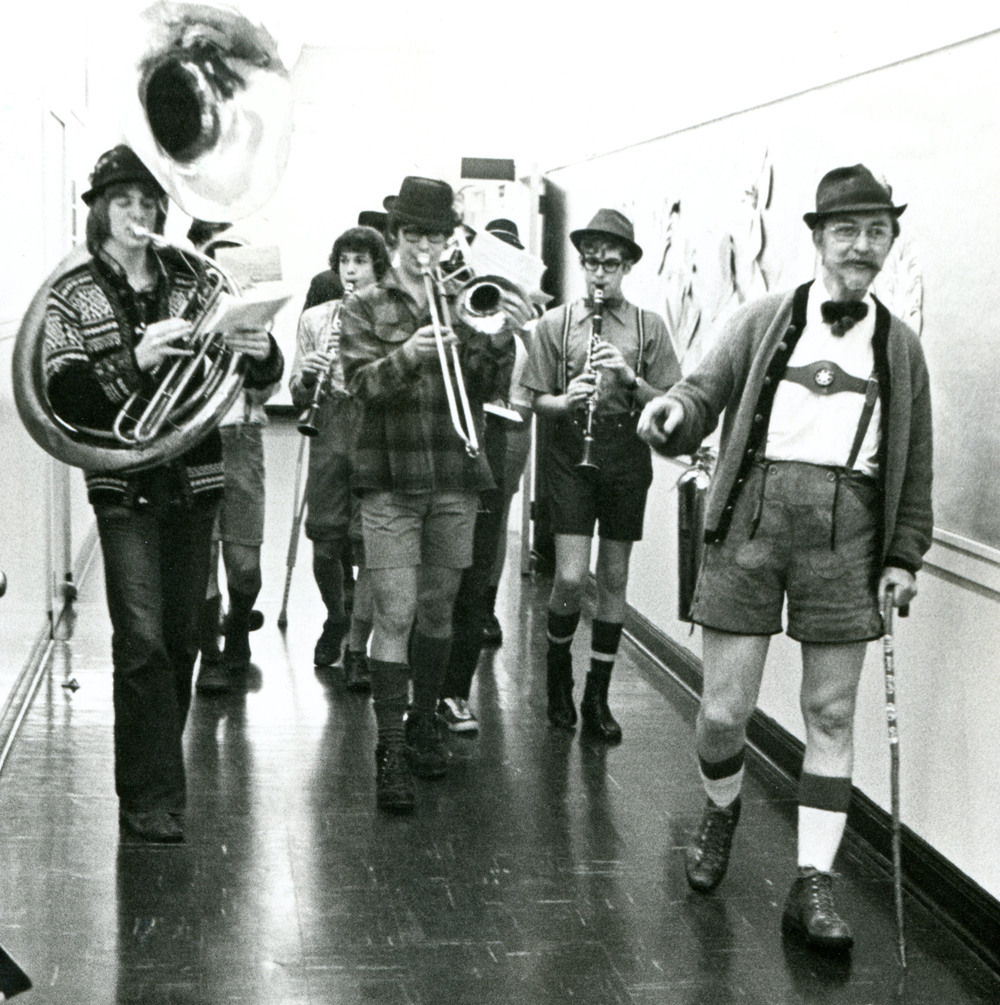
My 1972 high school German oompah band

oompa-band

Let’s throw it way back…to 1972. I’m tooting away on my sousaphone in our high school German oompah band. Cobbling together my Norwegian sweater (complete with pewter buckles), a good German felt hat jangling with souvenir pins, and bell bottoms rather than lederhosen, I’m right on the beat. The conductor was my German language teacher, Harry Reinhart. When I quit German after less than a year in class, Mr. Reinhart took me out into the hall and declared, “Steves, you’ll regret this.” I didn’t dream how right he’d prove to be. But we all march on.

My top 10 tips for making travel a political act

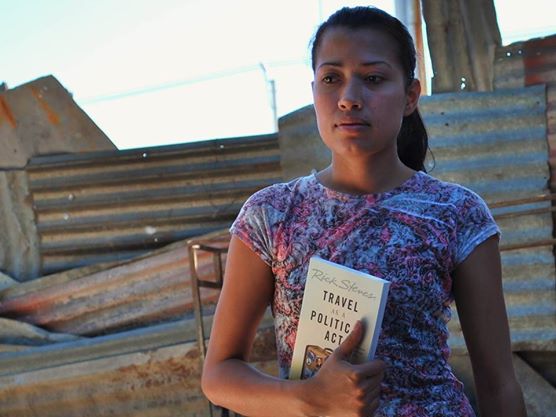
1To celebrate the release of the second edition of my book, Travel as a Political Act, I’m sharing my top tips for making travel a political act.

For me, the great value of travel is the opportunity to pry open your hometown blinders and bring home a broader perspective. And when we implement that worldview as citizens of our great nation, we make travel a political act. Here are my top ten practical tips for doing just that:


1. Get out of your comfort zone. Choose Managua over Mazatlán, or Turkey over Greece. When visiting Israel, make time to also explore the West Bank. You can enjoy far richer experiences for far less money by venturing away from the mainstream.

1
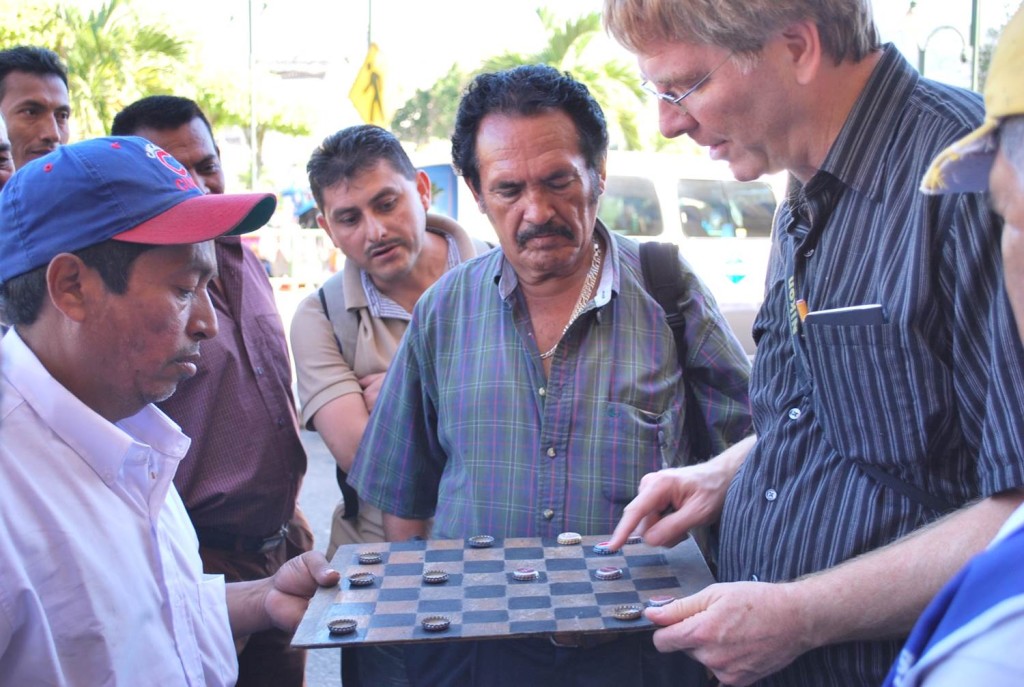
Playing chess with bottle caps with new friends, on the main square in San Salvador. (Trish Feaster, thetravelphile.com)


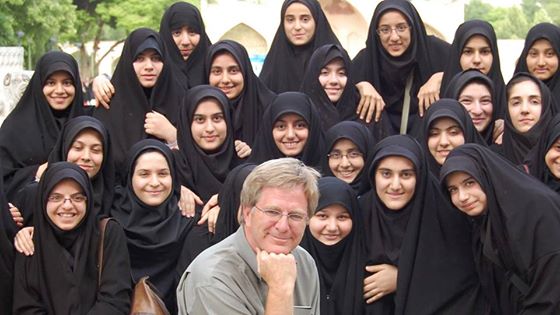
2. Connect with people — and try to understand them. Make itinerary decisions that put you in touch with locals who are also curious about you. Stay in people’s homes (via Airbnb.com or Couchsurfing.org) and spend time with your hosts. Go to a university, eat in the cafeteria, and make a new friend. Then, seek answers for cultural riddles: Why do Hindus feed their cows better than their children? Why do many Muslim women wear scarves? Why do Americans so fiercely defend their right to own a gun? Why do Norwegians so willingly pay such high taxes?

1


3. Celebrate diversity and be a cultural chameleon. When encountering a cultural difference, embrace it with joy rather than with judgment…and actually join in: Eat with your fingers in Sri Lankan restaurants that have no silverware, dip your fries in mayonnaise in Belgium, smoke a hookah in Greece, get your ears cleaned in India, kiss a stranger on both cheeks in France, and go to a hurling match in Ireland. Rather than gawking at the pilgrims, become one — climb Rome’s Scala Santa (Holy Stairs) on your knees, feeling the pain while finding comfort in the frescoes of saints all around you.

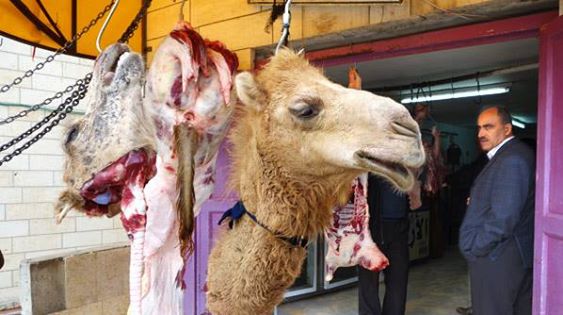
Care for a little camel? One hump or two?


4. Understand the contemporary context. While traveling, get caught up on local news. Read The Times of India in Mumbai. Go to a political rally in Scotland. Listen to expat radio on Spain’s Costa del Sol. Think about how all societies are on parallel evolutionary tracks. Imagine how the American approach to vexing societal problems might work in other places — and (more importantly) vice versa.

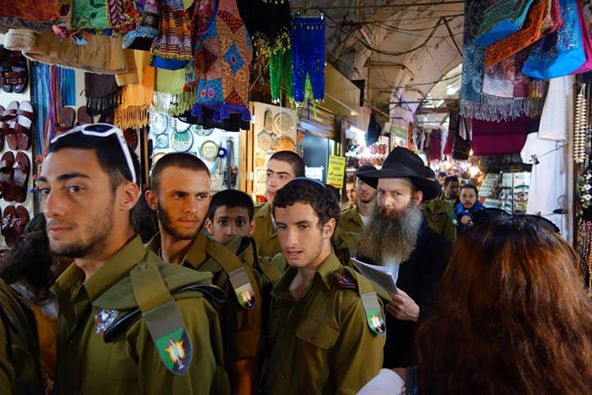
In Israel, half the people are first-generation immigrants and all teenagers serve in the military. (Trish Feaster, thetravelphile.com)


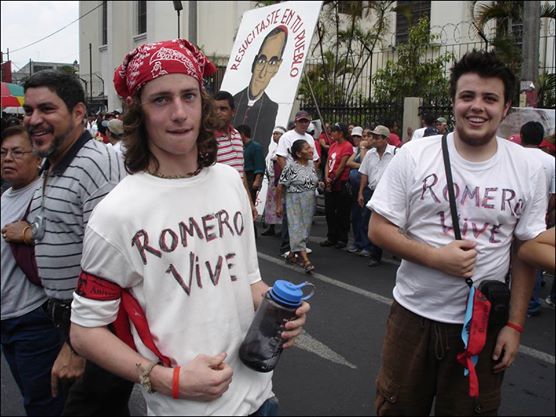
5. Empathize with the other 96% of humanity. Just like Americans have the American Dream, others have their own dreams. Make a point to put yourself in the shoes (or sandals, or bare feet) of the people you meet. Find out why Basque people are so passionate about their language. Drinking with Catholics in a Northern Ireland pub, discuss the notion of the tyranny of the majority…and then find a parallel in your society. As you travel, learn to celebrate the local Nathan Hales and Ethan Allens — Turkey’s Atatürk, El Salvador’s Oscar Romero, South Africa’s Mandela, and so on.

1
Crayon up a tee-shirt and march with the locals.


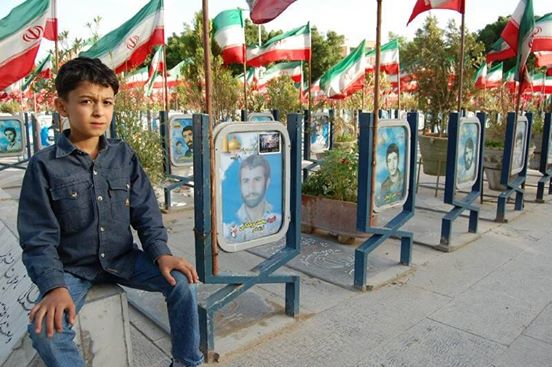
6. Identify — and undermine — your own ethnocentricity. The US has been preoccupied with terrorism for the last generation. But other nations have their own, sometimes even heavier baggage. Ponder societal needs even more fundamental than freedom and democracy. Why is Putin so popular in Russia? Why would a modern and well-educated Egyptian be willing to take a bullet for the newest military dictator (as my friend in Cairo just told me)? Why, in some struggling countries, does stability trump democracy?

Iran’s baggage is 300,000 casualties in the Iran-Iraq war.


7. Accept the legitimacy of other moralities. Be open to the possibility that controversial activities are not objectively “right” or “wrong.” Consider Germany’s approach to prostitution or the Netherlands’ marijuana policy, which are both based on pragmatic harm reduction rather than moralism. Get a French farmer’s take on force-feeding his geese to produce foie gras. Pop in on a circumcision party to help celebrate a young Turkish boy’s coming of age. Ask a Spaniard why bullfighting still thrives as the national pastime — and why it’s covered not in the sports pages, but in the arts section of the local newspaper. You don’t have to like their answer, but at least try to understand it.

 Iranian women can’t show their bodies but they make sure their noses are gorgeous.
Iranian women can’t show their bodies but they make sure their noses are gorgeous.


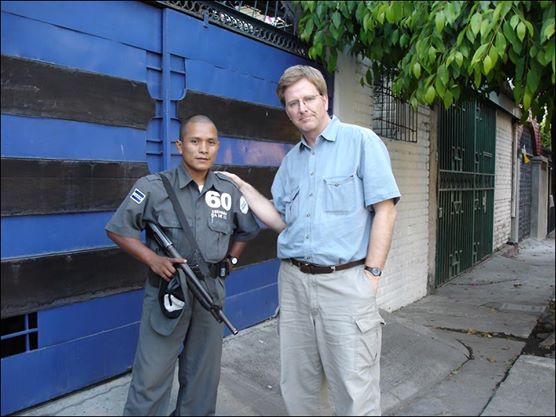
8. Sightsee with an edge. Seek out political street art…and find out what it means. Read local culture magazines and attend arts and political events. Take alternative tours to learn about heroin maintenance clinics in Switzerland, Copenhagen’s Christiania commune, and maquiladora labor in Tijuana. Walk with a local guide through a slum in a developing country. Meeting desperately poor villagers living with a spirit of abundance, ponder how so many rich people live with a mindset of scarcity.

See firsthand the consequences of a society with a gap between rich and poor that is even worse than in the USA — armed guards on every corner.

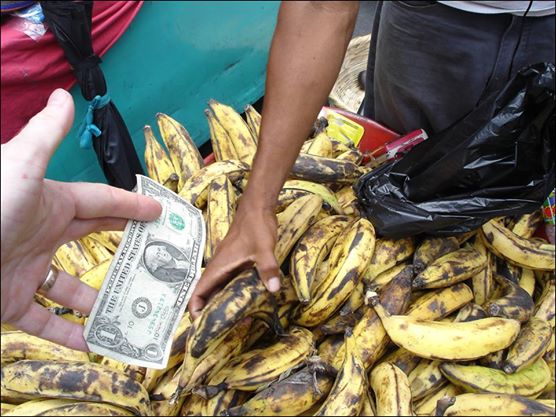
9. Make your trip an investment in a better world. Our world has a lot of desperation, and travelers are the lucky few who can afford to experience what’s outside their own hometowns. Travel with a goal of good stewardship — the idea that each traveler has a responsibility to be an ambassador to, and for, the entire planet. Think of yourself as a modern-day equivalent of the medieval jester: sent out by the king to learn what’s going on outside the walls, and then coming home to speak truth to power…even if annoying.


1
Eat bananas in a banana republic — understand what it’s like to be on the receiving end of globalization, then come home and talk about what you learned.

10. Make a broader perspective your favorite souvenir. Back home, be evangelical about your newly expanded global viewpoint. Travel shapes who you are. Weave favorite strands of other cultures into the tapestry of your own life. Live your life as if it shapes the world and the future…because it does. Believe that you matter. Then make a difference.

Any Orellana with the first edition of Travel as a Political Act. (Trish Feaster, thetravelphile.com)


Vintage Video: Vinnie Van Go

Twenty years ago, unleaded gas was a novelty — if your car needed it, you had to look for stations that provided it. And you’d purchase coupons in lire at the border of Italy to save money on gas. In this clip, you’ll see me driving my beloved Vinnie Van Go, a Westphalia VW van I co-owned with Steve Smith. Vinnie was both our guidebook-research vehicle and a cheap place to sleep for years. But ultimately, Vinnie got firebombed in a Paris protest. People were demonstrating for better schools in poor Parisian neighborhoods with smaller class sizes, and Vinnie was in the wrong place at the wrong time. Vinnie Van Gone.