Cooking in Florence on a Rick Steves Tour

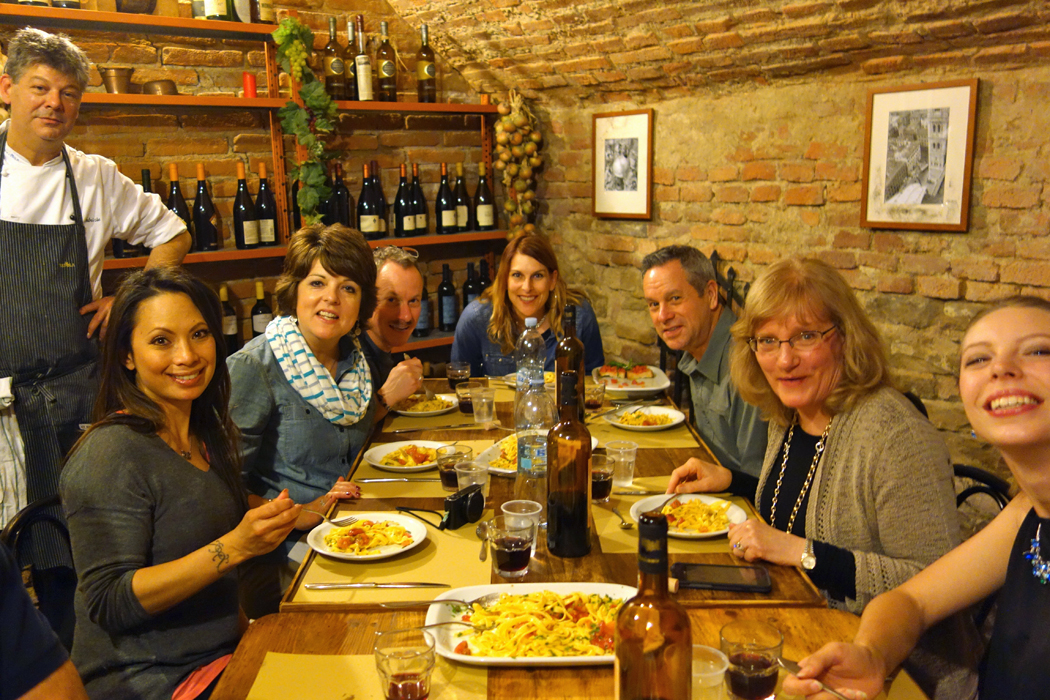
With so many travelers into food these days, food tours and cooking classes have become a big deal all over Europe. And a cooking class is a perfect example of how we, as part of our bus tours, encourage our travelers to roll up their sleeves and dig into the local culture through real experiences. I love to bump into our tours while in Europe doing my research. And just the other day I met one of our Venice/Florence/Rome tour groups and joined them for lunch. The catch? We had to cook it ourselves. Fun and enthusiastic Fabrizio (of the In Tavola Cooking School) had five mini-kitchens set up for our group where he and his staff led us through a marvelous 90 minutes of cooking fun. And, I swear, the food was as good as anything you might expect in a fine restaurant. Plus, knowing that we had made the bruschetta, pasta, sauce, chicken, and even the tiramisu ourselves, made it taste even better.  What favorite food-tour and cooking-class memories do you have from your European travels?

See photos from this cooking class on The Travelphile.

Eating in Florence

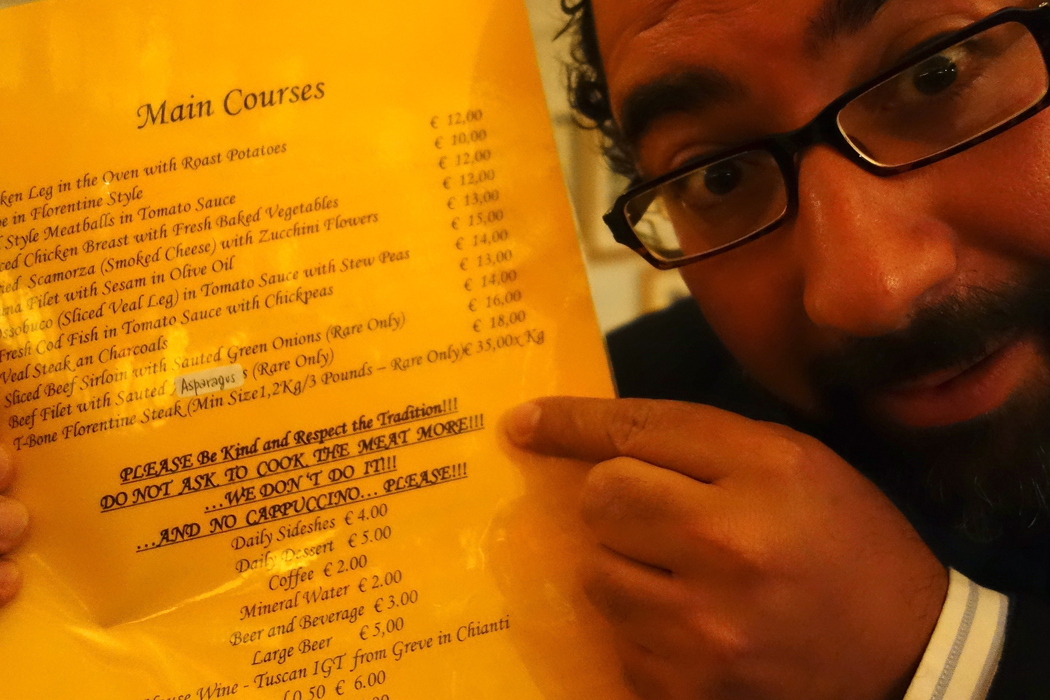
Bobo runs one of my favorite Florence restaurants, Antica Trattoria da Tito, with attitude. And sometimes that attitude puts off my readers. But once you embrace Bobo’s devil-may-care flair for fun and dining, you’ll enjoy an unforgettable meal.

bobo rules.jpgThis is Bobo and these are his rules. As you can see, don’t try to get your meat cooked well and forget about cappuccino after lunch or dinner.


cook.jpg

With so many travelers into food these days, food tours and cooking classes have become a big deal all over Europe. And a cooking class is a perfect example of how we, as part of our bus tours, encourage our travelers to roll up their sleeves and dig into the local culture through real experiences. I love to bump into our tours while in Europe doing my research. And just the other day I met one of our Venice/Florence/Rome tour groups and joined them for lunch. But first, we had to cook the meal. Fun and enthusiastic Fabrizio (of the In Tavola cooking school) had five mini-kitchens set up for our group where he and his staff led us through a marvelous 90 minutes of cooking fun.


eat.jpgOf course, after cooking our meal, we got to eat it. And, I swear, the food was as good as anything you might expect in a fine restaurant. Plus, knowing that we had made the bruschetta, pasta, sauce, chicken, and even the tiramisu ourselves, made it taste even better.

See more photos from this cooking class on The Travelphile.

Guest Blogger: The Travelphile and Happy Food Memories

Our latest guest blog from The Travelphile, Trish Feaster, describes some memorable meals she’s enjoyed in Europe. One thing I appreciate about traveling with Trish is her foodie sensibilities. If you’d like to hear more, follow her blog.

Food Porn
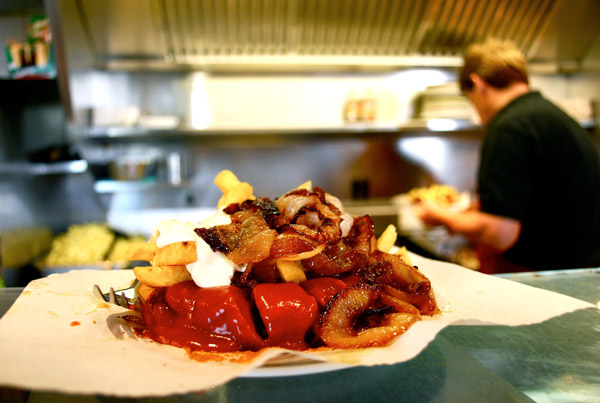
There’s something so evocative to me about pictures of food and the power they have to vividly remind me of mouth-watering meals and moments that I’ve had on my travels. I can look at my culinary photos and remember exactly where I was, the scent of the dish just placed in front of me, and the way the flavors open up on my palate. The best currywurst I ever had was in Berlin, just a few blocks from Under den Linden. When I look at the photo of that dish — a steamed then fried plump pork sausage laden with a tangy yet sweet blend of ketchup, curry powder, and Worcestershire sauce, protected by a crispy and salty French fry fort, and accessorized by caramelized necklaces of onions — my mouth just waters. And I’m reminded that over sixty years ago, in West Germany, because of the kindness of some British soldiers, a Berlin chef was given these now-seemingly common ingredients and invented this saucy recipe that is now served over 80 million times a year in Germany. Food, especially when you’re traveling, is not merely about sustenance and nutrition. It’s about the culture of the place.

Countries reveal themselves through their foods. Regional specialties are shaped by the climate, season, and terrain of the area. In France, many pair their wines with cheeses from the same region because they’re designed to go together. They have a common terroir (the idea that agricultural products and even livestock from a particular area are influenced by the geography, geology, climate — coupled with human tradition and pride — and are therefore embodied with flavor characteristics that are particular to that region), so their flavors complement one another. Italians would call that “ben sposato” or a good marriage. In Italy you’ll find that Northern specialties tend to feature creams, cheeses, butter, beef, and pork (although seafood is common on the coasts) while Southern dishes often spotlight seafood, vegetables (particularly tomatoes and eggplant) and olive oil. Spain’s northwestern coastal region of Galicia is heralded for its seafood and sauce-laden dishes, while its central mountainous and agricultural region of Castilla-Léon dominates in the preparation of pork, beef and game dishes, as well as stews.

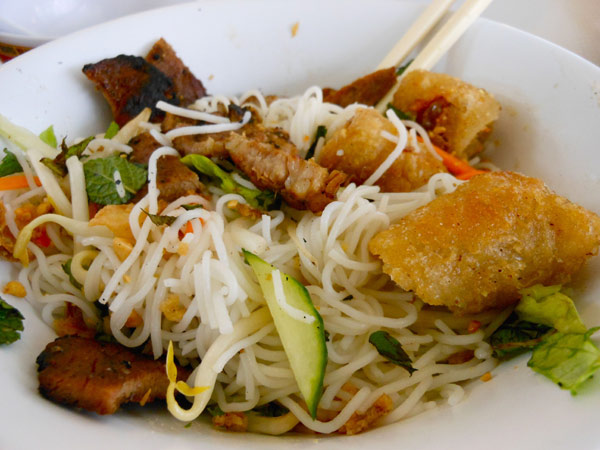
National cuisines are also spiced up by newer immigrant cultures melding with established ones (whose modern-day traditions were also shaped long ago by conquerors and visitors of ages past). Döner Kebabs (Turkey) are found on practically every other corner in Berlin. Bun Thit Nuong (Vietnam) and Tagines (North Africa) are commonplace in Paris, and Chicken Tikka Masala (an Indian-influenced recipe) is actually considered to be Britain’s national dish. Culinary diversity reflects cultural diversity.

The same is true in America. Our varied regional staples range from New England clam chowder to Texas BBQ, from Wisconsin cheeses to California avocados, and from Idaho potatoes to Hawaiian poi. And even within regions, influences from cultures, as well as lifestyles, have helped impacted the ever-changing American cuisine scene. Throughout our history, our diets have been shaped by the British, Native Americans, Spaniards, the French, Germans, the Dutch, African cultures, Italians, the Irish, Latinos, Asians, Caribbean cultures, Jews, Indians, Middle Eastern cultures, and by so many others. Within and beyond specific cultural cuisines, we also have foods that cater to the health-conscious, the gluten-free clientele, low-carb eaters, vegetarians, people on low-sodium diets, foodies, those who only eat organic foods, and so on and so on. “Fusion” foods are ubiquitous, food trucks are all the rage, and desserts are practically considered their own basic food group.

Foods can remind us of the struggles of our forefathers. When times were tough and resources scarce, families made due with what was available. In Estonia, harsh living conditions due to weather, the tumult of living under the rule of at least five different foreign countries, and collective farming systems under Communist rule that exported Estonian products to other Soviet countries often left people in precarious circumstances without much access to wealth or food. But one thing remained essential, even sacred, to Estonians – black bread. It is always served with a meal. No Estonian would dare complain about the bread saying it’s too hard or too dry, and if a piece fell to the floor, one would pick it up, kiss it to show respect, and eat it. In fact, instead of saying something like Bon appétit, Estonians say jätku leiba—may your bread last.

We, too, can think of our family traditions and realize the crucial role food plays in our own cultures. In my own family and throughout the Filipino culture, we have stories of limited access to certain foods due to poverty, war, or unavailability. Because of that, it’s ingrained in us to always share what we have and to insist that our guests eat heartily. When you can provide, you do so to the best of your ability because one day you may be in need and have to rely on the generosity of others. Whenever I go to any of my relatives’ houses, the first question they ask isn’t “How are you?” it’s “Did you eat yet?” And I’ve never left a Filipino party without the host insisting that I baon (BAH-ohn) some of the dishes or take some home as leftovers.

When you consider what you consume, whether you’re traveling across the sea or across the street, think about the history behind that meal. Let it be a bridge into that culture — culture resides at the hearth as much as in the museum. Think about where the ingredients came from or how they were cultivated/harvested/raised/processed. Reflect on why that dish became important to that region, why it became popular outside of that locale or why it’s part of the national cuisine. Ponder why it may be considered a delicacy in the country you’re visiting but not in your own and why that distinction exists. There may be a real history, tradition, and culture behind that meal, and when you become more aware of that, the food takes on a whole new cultural flavor that makes your dining and travel experience that much more pleasurable.

Capturing a photo of the meals I enjoy isn’t just about capturing a culinary memory. It’s a way to add another layer to how I learn to understand and better appreciate the culture of the place I’m visiting through food. Create your own food porn to stoke memories and gain better insight into the cultures you explore. You’re not just eating something tasty…you’re ingesting a piece of that very culture. With an understanding of the context of what you’re eating vis-à-vis the people who made it, you are, in a sense, communing with that culture. And that’s well worth the calories.

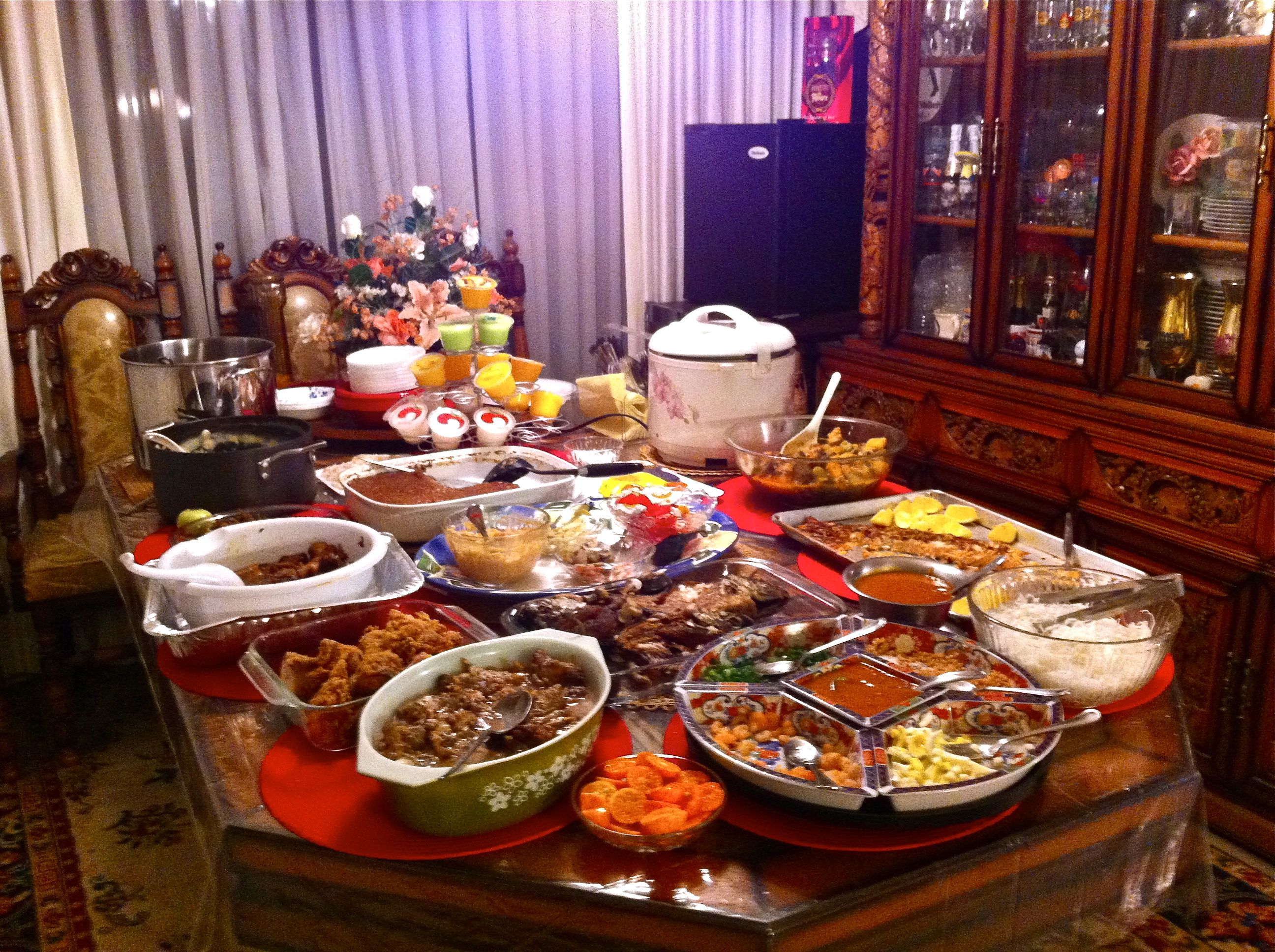
Can’t get enough food porn? Check out some of these finger-licking foods.

When you’re in Berlin, currywurst is one of the best meals you can have.

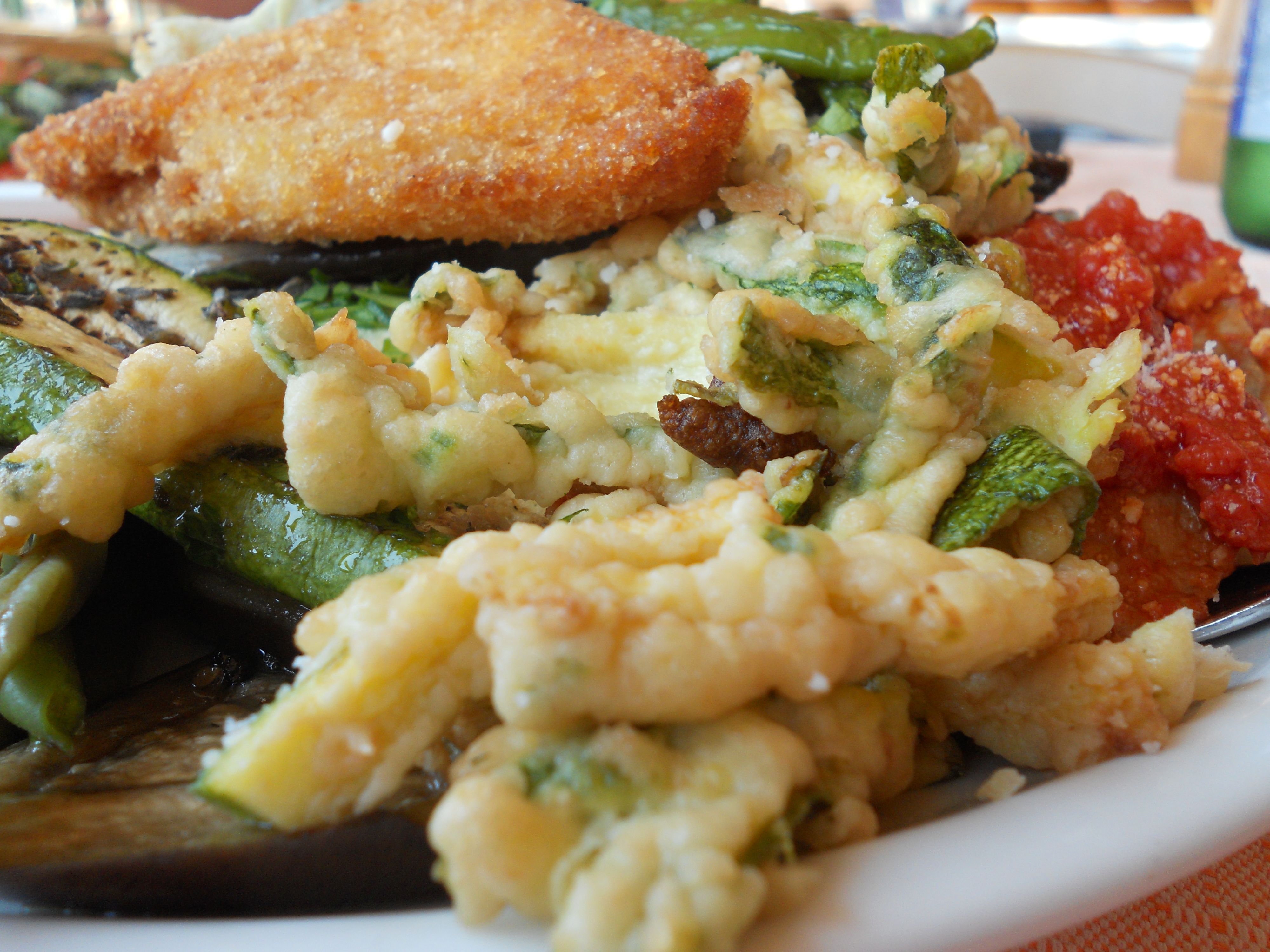
Seafood and vegetables are plentiful in Southern Italy.

Bun Thit Nuong (Vietnamese noodle salad with BBQ Pork) and Nems (egg rolls) are a filling feast for many Parisians.

Hearty rye black bread is served with every Estonian meal.

Did you eat yet? You can take some home for baon.

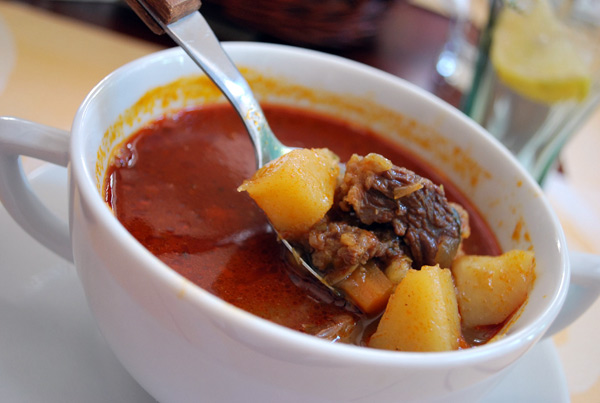
Hungry for Hungarian goulash?

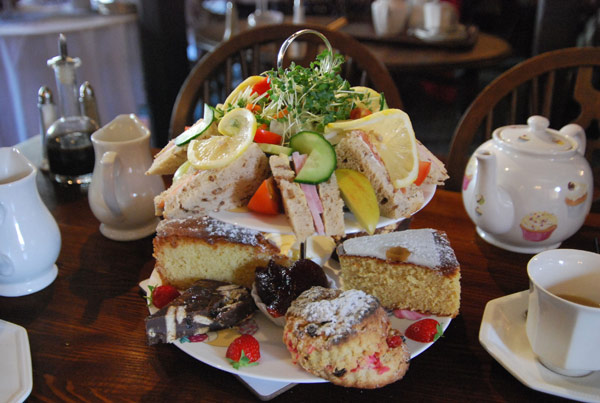
Whether you imagine yourself as an upperclass school girl or a working class bloke, high tea will hit the spot.

In the Czech Republic, wild boar is a staple and is often paired with dumplings which were introduced to the Czechs by the Germans.

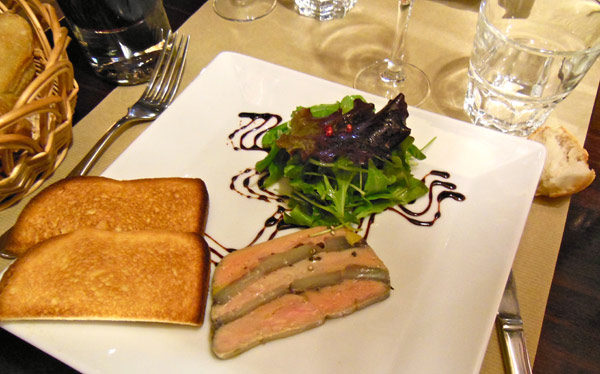
It’s said that it was the Jews who preserved this tradition of what we now know as foie gras (which dates all the way bay to ancient Egypt) after the fall of the Roman Empire and shared their culinary knowledge as they migrate north through Europe.

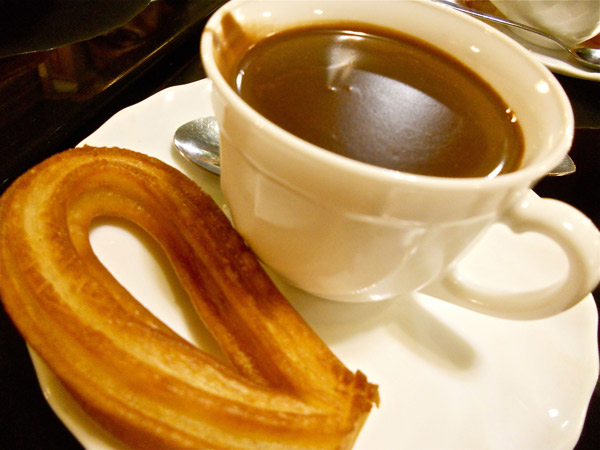
Churros (shown here with Spanish chocolate) were rumored to be invented by Spanish shepherds. As a substitute for fresh bakery bread, they would quickly cook the churro paste in a pan. The resulting pastry resembled the horns of their churra sheep.

Les Bougresses in Paris makes my favorite dish — Ravioles du Royans (Royans is a community on the west coast of France) . The origin of these postage-stamp size pasta pillows (nowadays stuffed with Comté cheese) is attributed to the Romans who made their presence felt throughout what is now France.

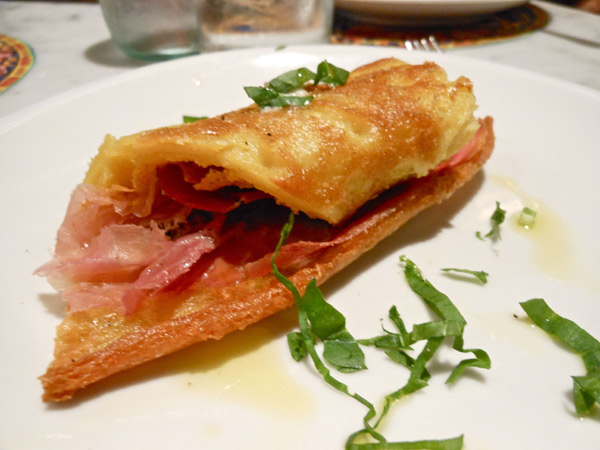
Parma ham, wrapped in a chickpea blanket and drizzled in truffle oil. Buon appetitio!

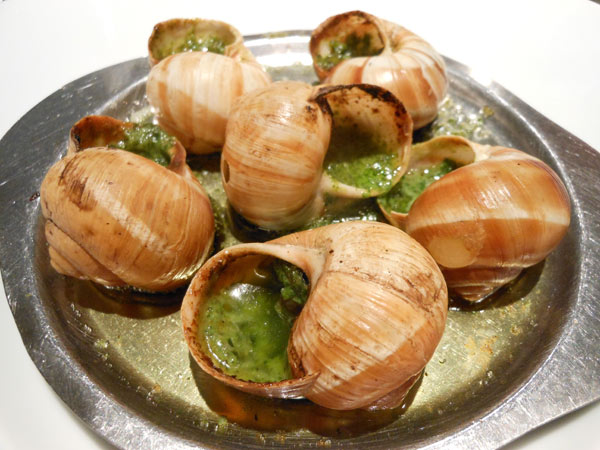
Delicacy or not? You’ll never know until you try one of these butter, garlic and parsley-soaked escargots. The French consume 40,000 tons annually.

Guest Blogger: The Travelphile and Alaskan Nature

As I noted in yesterday’s post, I’m featuring a few entries from my frequent travel partner, Trish Feaster, who blogs under the name The Travelphile. If you enjoy her stories and photos, I hope you’ll follow her. This entry dates from a recent non-European trip we enjoyed: a cruise to Alaska.

There’s More to Nature than Meets the Eye

Alaska is big. I mean it’s huge. It’s twice the size of Texas. On this seven-day cruise through Alaska’s Inside Passage, we would explore a mere fraction of this massive state, but what we would see was enough to fill my camera with almost 1,400 photos and my mind with countless unforgettable memories.
While I expected we’d see mountains, trees, glaciers, and hopefully some animals, I had no concept of the scale, quantity, and diversity that Alaska — often called “The Last Frontier” — had to offer.

When we awoke the first morning to breaching whales on all sides of our ship, I was stunned by the beauty, grace and agility of these colossal aquatic mammals. But really, you’d have to be a fool not to be. They are, in the most accurate use of the word, awesome.

Moving beyond the obvious was a bit more challenging for me. As we cruised through Icy Strait and admired the passing scenery, the running internal soundtrack of mind kept repeating, “Oh, it’s so beautiful.” Well, yeah.

But Ranger Andrew changed all that. After our whale morning, we picked up Ranger Andrew at Bartlett Cove near the entrance to Glacier Bay. He joined us for two days and shared his expertise about the wildlife, plant life, and geology that comprised Glacier Bay.

While I can’t remember all the names of or facts about the things we saw, I can remember one thing: his enthusiasm. It was contagious. I have never met anyone as excited about his job and so eager to share his wealth of knowledge as Ranger Andrew. From birds to sea lions, from lichens to flowers, and from shale rocks to glaciers, he made everything fascinating. He didn’t just impart information, he made the complicated simple and the simple magnificent.

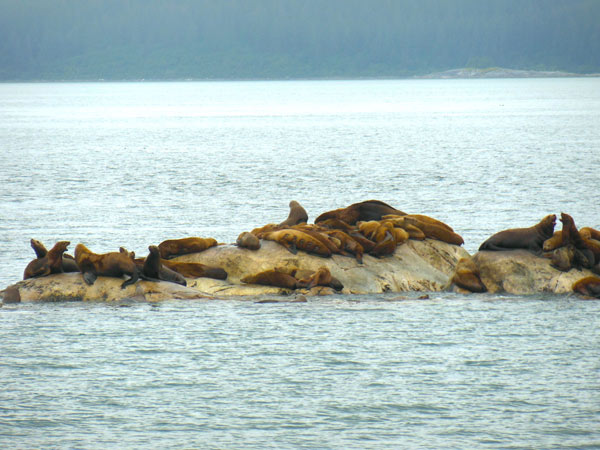
At South Marble Island, we ogled several harems of sea lions lounging on rocks like celebrities on the French Riviera, surrounding their respective dominant males. While the decibel level of these yelping beauties reached peak levels, what was even more powerful was their stench. Even from 100 yards away, that smell was brutal. Every now and again a sea lion would silently slink away and slip into the water and then suddenly reappear scaling another part of the rock. We noticed several who were branded with a mark so that researchers could track them.

Some of their neighbors on South Marble Island included puffins, common murres, and various gulls. The variety and bounty of animal life on this relatively small island was astonishing, but, as we came to expect, Ranger Andrew had the explanation. The island (composed of limestone and featuring a dense spruce forest, sloped cliffs, and grassy round hilltops) is an ideal sanctuary for all these creatures because the diverse terrain of the island offered perfect spaces for shelter, resting, hiding, and nesting.

Ranger Andrew also ran us through exercises in patience and what could possibly be used as a replacement for an eye chart test when he had us scour the mountainous face of another island to search for elusive mountain goats. For over half an hour, every passenger with binoculars or a camera with a decent lens panned up and down and left and right, across the lines of trees, below the grey stripes in the rocks, and into every single possible nook and cranny we could find. Ranger Andrew was, of course, the one to spot our first mountain goat, and his face just beamed when he explained to everyone where to look. Victory was his…and ours.

When we dropped anchor near the glacier, we had the option of exploring the coastline in a small skiff, doing a relaxing beach walk, or hiking the along a craggy-faced mountainside and crossing onto a glacier. Guess which one we picked.

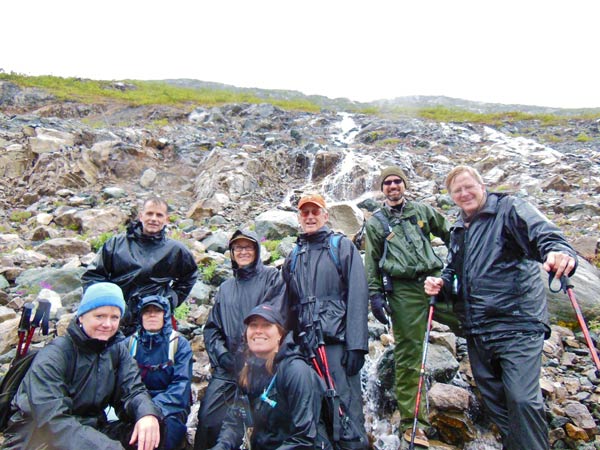
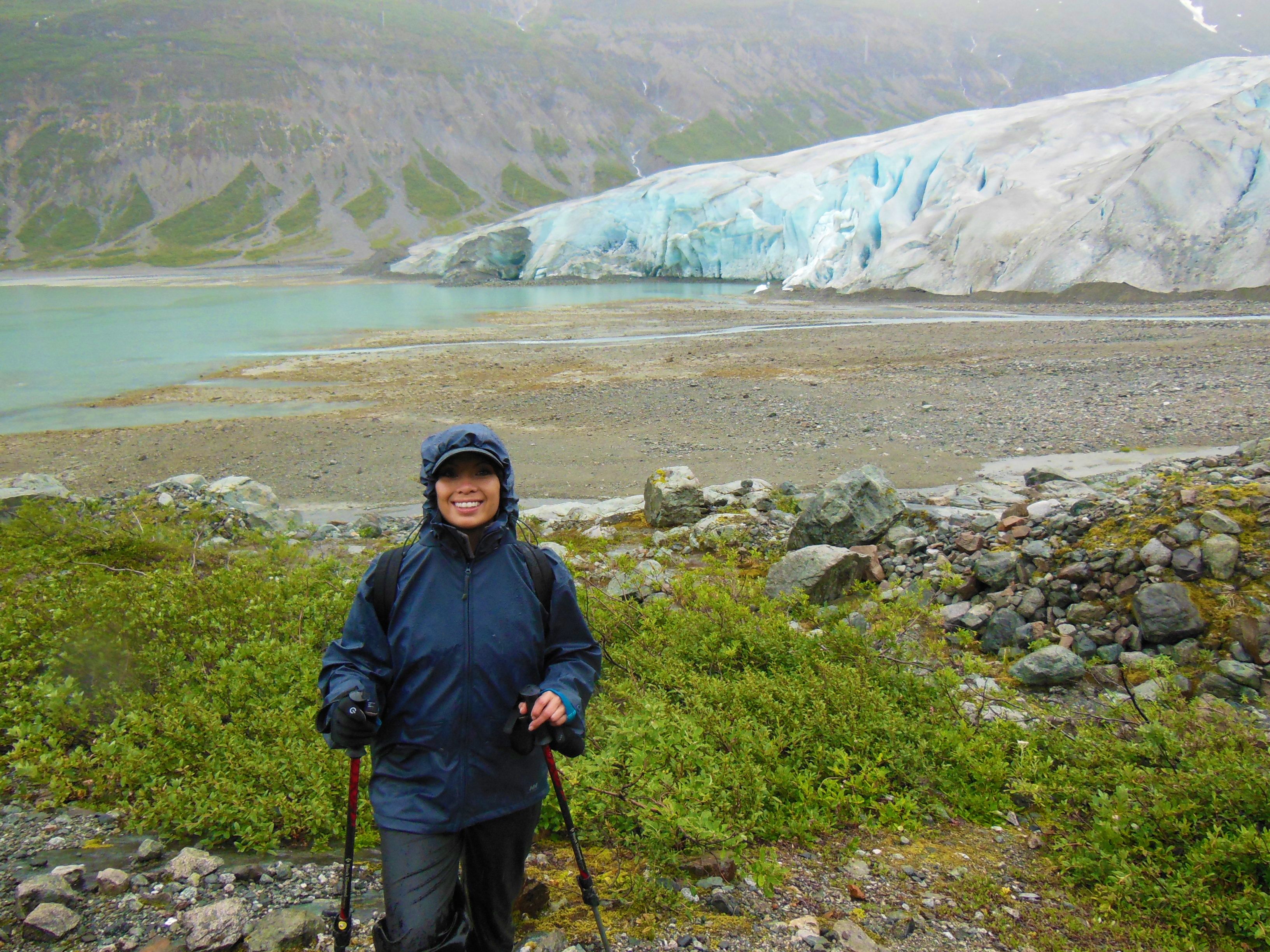
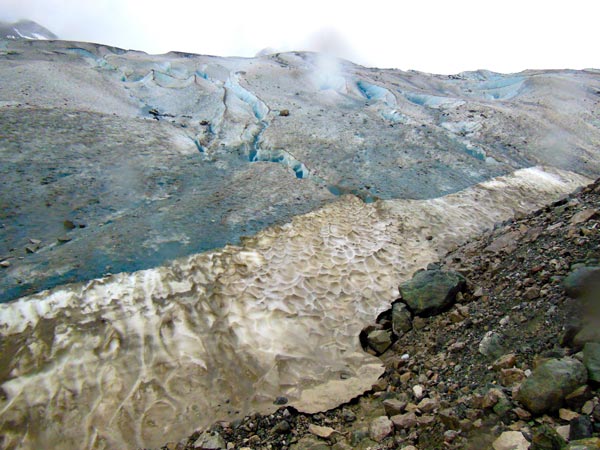
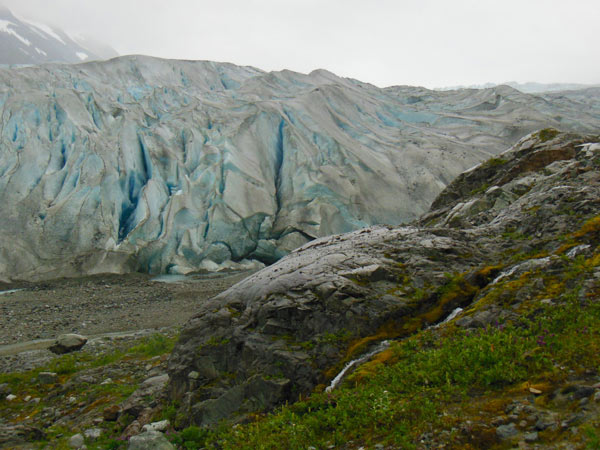
With Laurie (expert expedition guide) and Ranger Andrew leading us, we scrambled up and across the face of the mountain. Despite wearing six layers on top, four layers on the bottom, a scarf and a wooly hat, I still felt the rain, the whipping wind, and the chilly 40-degree air temperature bite into my core. Being next to an ice mass that was, at its mouth, as wide as three football fields, as tall as a thirty-story building, and was miles long intensified the chill. I was grateful to be on the move and work my body into a warmer state. I was equally thankful that I had two walking sticks to steady my balance. Between the slithering streams that glided down the slope, the slippery shale fragments that slid out from under us, and the jungle-gym boulders we had to clamber over, staying upright was a real challenge.

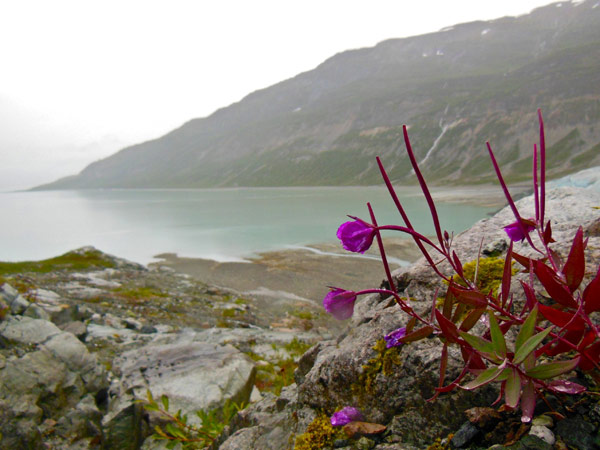
I found myself being the frequent straggler, partly because I cautiously tried to stay sure-footed, but mostly because I liked looking at all the stuff around me. Since Ranger Andrew was acting as the caboose for our hilly scramble, it gave me a chance to ask questions and eavesdrop on the info he was sharing with my fellow inquisitive hikers. While I was initially struck by the grandness and color of the glacier on our left, the vivid bursts of the plant life along the hillside, and the countless waterflows that cascaded through every path we took, both Ranger Andrew and Laurie helped me to see the deeper beauty of the nature that surrounded us.

One hundred years ago, the slope on which we stood was completely covered by that glacier. Since it receded, life found a way to emerge where there once was no life. Lichens, fungi, and flowers now fight their way for survival and provide the basis for new life. Despite the difficult conditions and terrain, they strive to thrive. They cling to edges of rocks and reach their way across streams to proliferate, reshape and redecorate the landscape. It’s nature triumphing over itself.

And the rocks reveal their own histories through their composition and color. These sedimentary and metamorphic mineral and organic life composites were formed over millions of years, subjected to a geological tango of intense pressure, extreme weather conditions, erosion, and glacial movement. While I lack any expertise to interpret their geological record, Ranger Andrew taught me that these rocks — with their streaks of orange or blue that separate layers of white or green or black or grey — invite me to recognize and appreciate the history that formed them.

The experience all came together the moment I stepped onto the glacier. I felt the world fall silent and still, and all at once, I felt small and grand. I understood that the force of nature that created and maintains this glacier is the same that shaped the adjacent mountains, fosters the life that blooms on the rocks, nourishes and shelters the wildlife of this region and sustains and produces life everywhere. In geological time, everything was churning…living and dying, then living again. I realized that I am a part of that. I am connected to this, even if time and distance separate me from it. We are all a part of it.

Perhaps I already knew all of this on an intellectual level before. But thanks to the Ranger Andrew (and Laurie), I’m gaining a deeper understanding of that. Experiencing nature, not on a screen or in a book, but in the shadow of a thundering glacier with the bite of the Alaskan wind in my face, I have connected with my world like I didn’t know was possible. And I can’t wait to see what’s next.
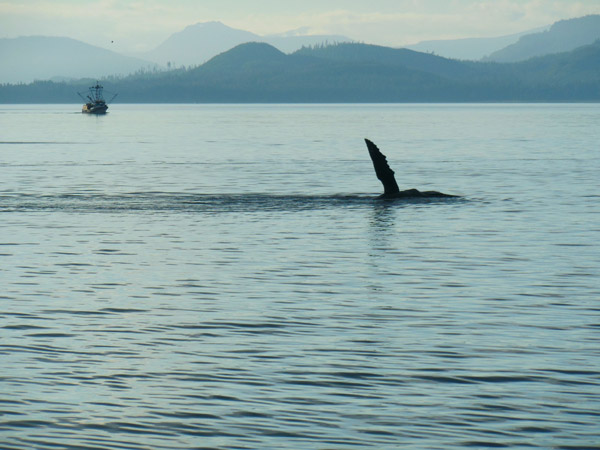
A majestic whale puts on a spectacular show for us.

Be thankful this isn’t in smell-o-vision.

Ranger Andrew explains where to spot certain birds and their nests on South Marble Island.

Mountain goat sighting. (Image courtesy of Rob Arora)

My first glacial experience

My fellow hike-mates from left to right: Wendy, Rob, Debby, Colleen, Laurie, John, Ranger Andrew, and Rick.

Geared up and ready to scramble up the mountainside to see the glacier up-close.

Beauty, color, and life abound beyond the perimeters of a glacier.

There’s a fungus among us.

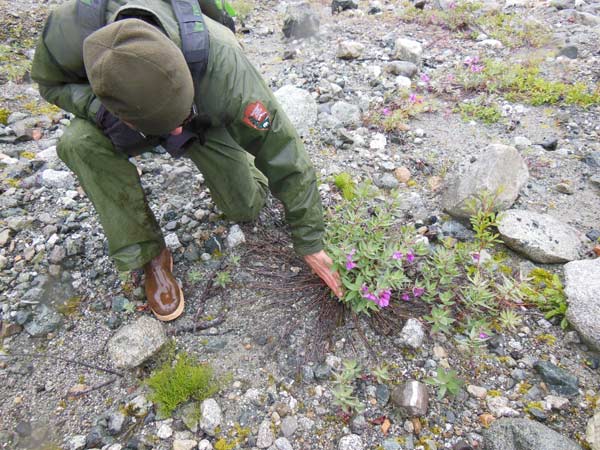
Ranger Andrew explains how even in this rough terrain, plant life grows, decays, and becomes the basis for new soil and new life.

These colorful boulders and rock rubble are million-year-old artifacts that guard the geological history of this glacial space.

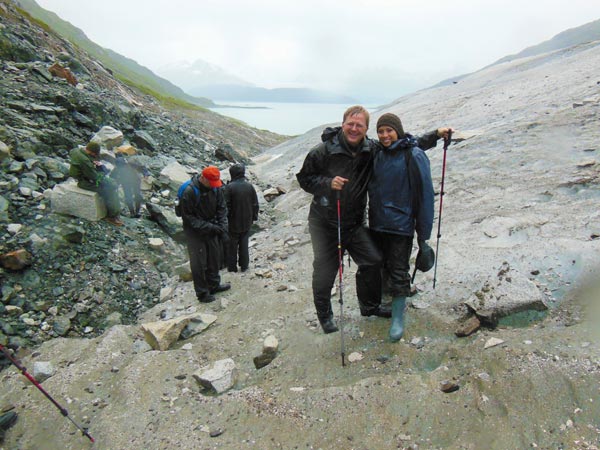
Rick and I relishing our moment on the glacier.

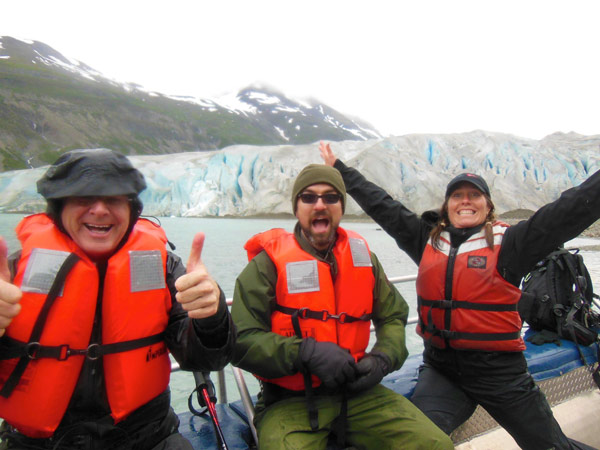
Rick, Ranger Andrew, and Laurie can’t contain their excitement about nature.

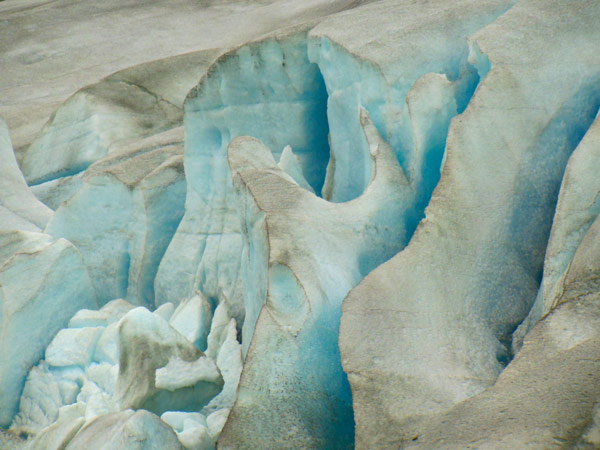
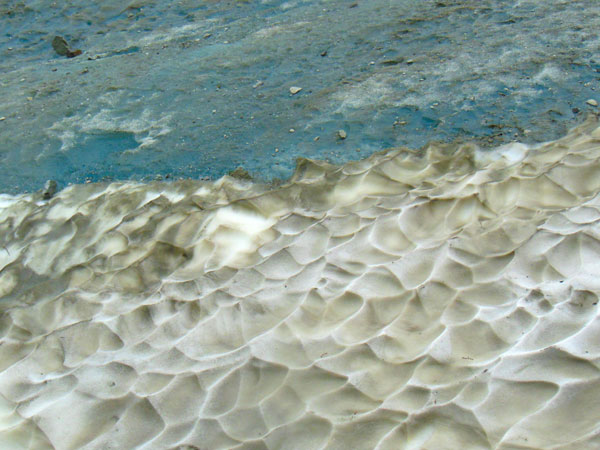
Details shot of the glacier.

Detail shot of the glacier.

Detail shot of the glacier.

Detail shot of the glacier.

Guest Blogger: The Travelphile and a Sense of Place

Where we travel and how we travel shapes our travel experience — obviously. And who we travel with does, too. I’ve been traveling quite a bit lately with a remarkable woman, Trish Feaster. We’re different types of travelers — and I’ve been struck by how those differences broaden and enrich my travel experience.

Trish is a linguist, while I am a confirmed monoglot. Her love of language has given my recent travels a new dimension. She’s a foodie, while I’m an “intermediate eater.” Her ability to get the same joy out of a menu that I get out of an art gallery has broadened my cultural experience (and even — a little bit — my waistline). And her emphatic joie de vivre tempers my workaholism in a way that — ironically — makes me especially productive as a travel writer. I find that now I experience, and write about, things that I wouldn’t have made time for if I were on my own.
Trish is an avid photographer as well as an inspiring writer. Her blog, The Travelphile, provides a showcase for her work. (It also gives a more candid look at my non-European travels than you’ll get on my own blog, as we enjoy lots of travel fun that has nothing to do with Europe.) I think her insightful blog entries complement my own, and she deserves more readers. To give you a taste of Trish’s writing, she’ll be occasionally guest-blogging here in the coming weeks. I hope you’ll enjoy her take on traveling; if you do, please follow her blog. Thanks.

A Place That’s All Your Own

One of the most annoying things about travel/tourism is that if you’re going to someplace that’s popular, everyone else is too. That means crowds, lines that seem to have no end, pushing and shoving, and odors that you didn’t think were humanly possible. With all of that mass of humanity, patience and a good sense of humor seem to melt away quicker than ice under a scorching sun.

Although most people would prefer to travel in low or shoulder season to avoid crowds (and elevated prices), for many, that’s simply not possible. One way to get around that scene is to not be in it. Find a better way to enjoy your travels by being in a place when there are few people and make it a place that’s all your own — even at the busiest time of the travel season.

This summer, because I’ve been working as an assistant guide, I have been, by necessity, out and about when everyone else is. While being on a tour has its privileges (such as guided tours with incredibly talented and smart local guides or entrances to sites/activities without waiting in line), it’s still next to impossible to avoid the fact that everyone and their mother is at the same place you are everywhere you go.

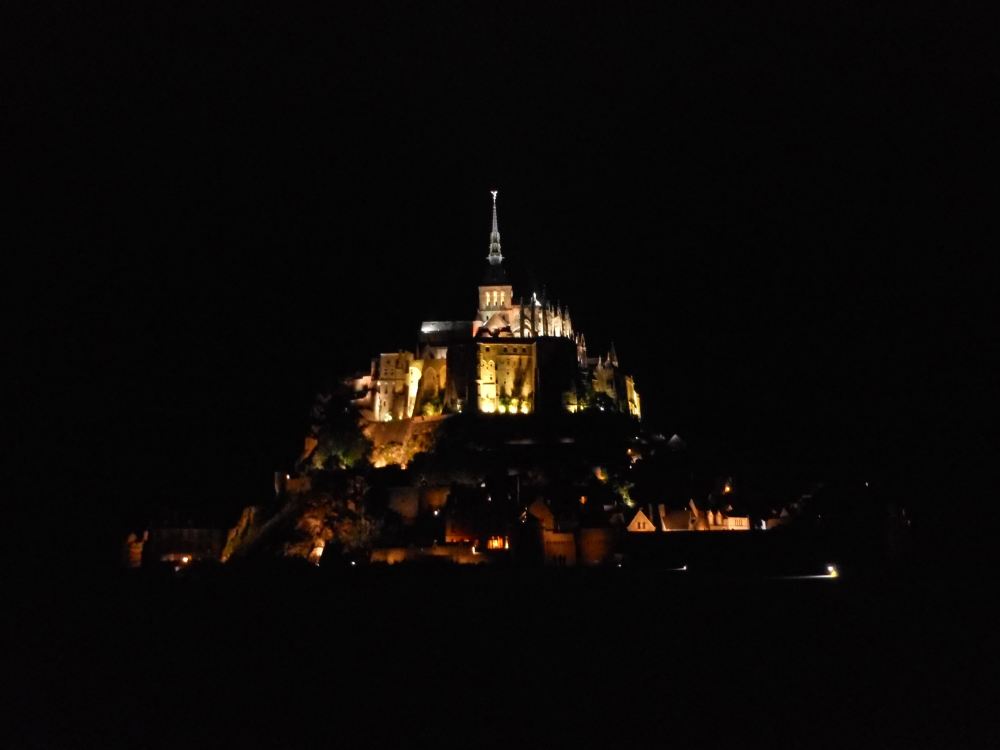
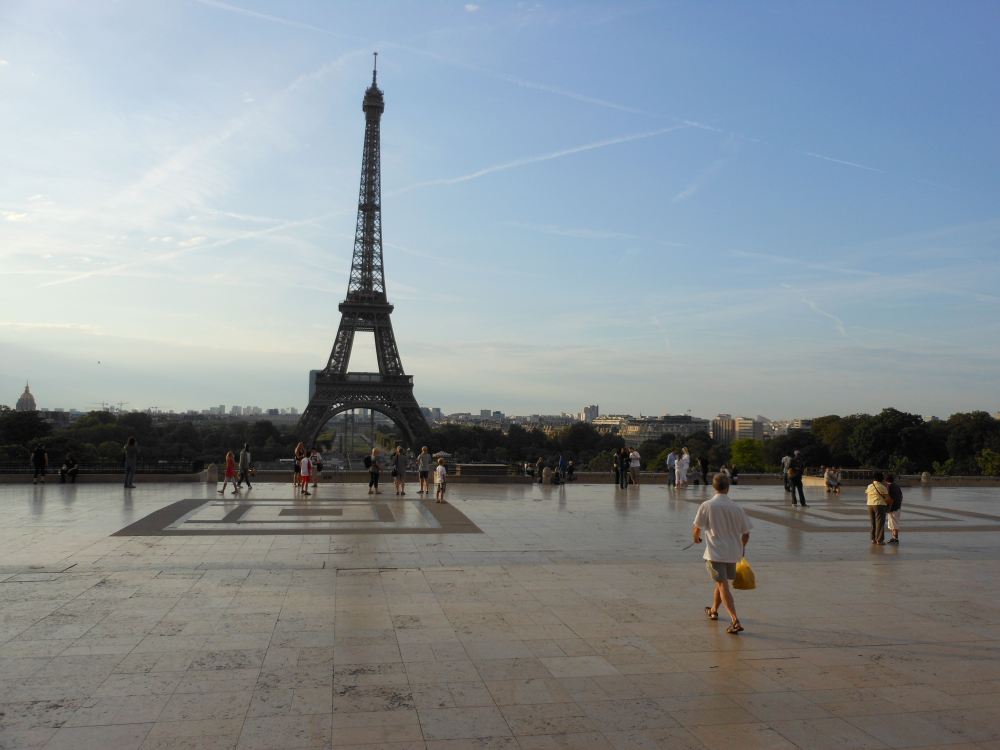
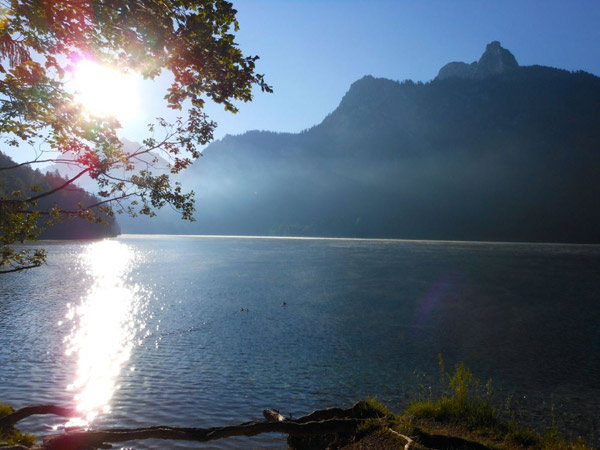
To have a more peaceful and intimate experience, I made a conscious effort to enjoy the places we visited either really early in the morning or really late at night. Now obviously I wasn’t getting into museums with an Early Admission Ticket like at Disneyland (Whoa, there’s a idea! Museums, get on that!), and I certainly didn’t do this every day. But, I did get to see places in ways that most travelers — or even locals for that matter — don’t. It takes effort and sometimes a little bit of planning (going to bed early so you can be up at 6 a.m., resting in the afternoon so you can be up until 1 a.m.), but it’s so worth it to watch the sunrise over a glassy lake, to be one of twelve people standing on the Mont Saint Michel causeway at midnight listening to the waves kiss the shores of the sandy bay, to dance like no one is watching in front of the Eiffel Tower, to smell the fresh cut hay just two miles away from the nearest castle, or to be the first person of the day to stroll through the main street of a town that is just on the verge of waking up. Even if you do it just to get a pristine photo without others blocking your view, you can have a really magical moment if you can find a way to enjoy a place all on your own.

Here are just some of the places where I took advantage of being out and about when the the crowds were getting their beauty sleep.


At 5:30 in the evening, what once was a empty square is peppered with a few too many people.

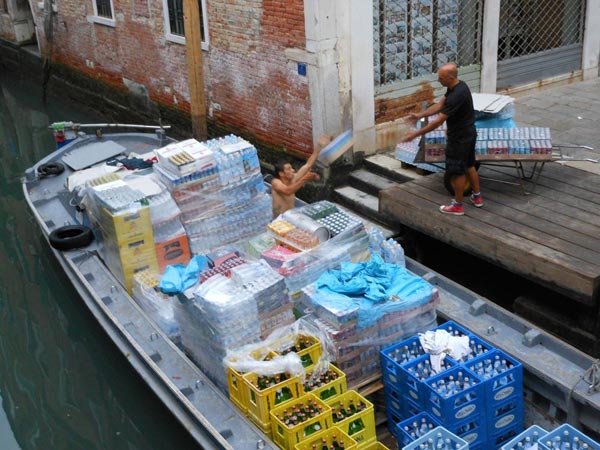
Early in the morning, boats haul their goods to merchants of Venice.

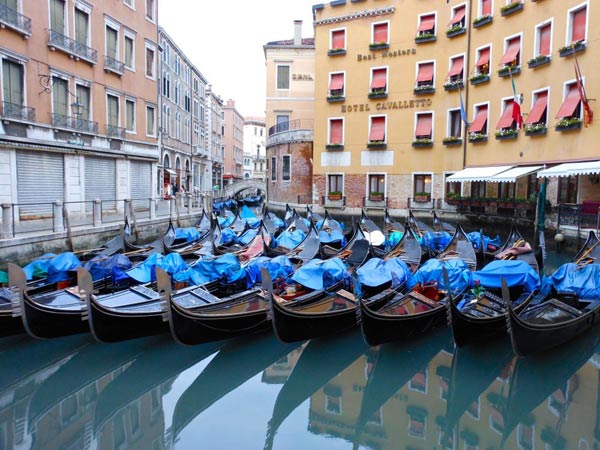
Gondolas nestle together in the cove of a canal in the early morning hours before the tourists arrive en masse.

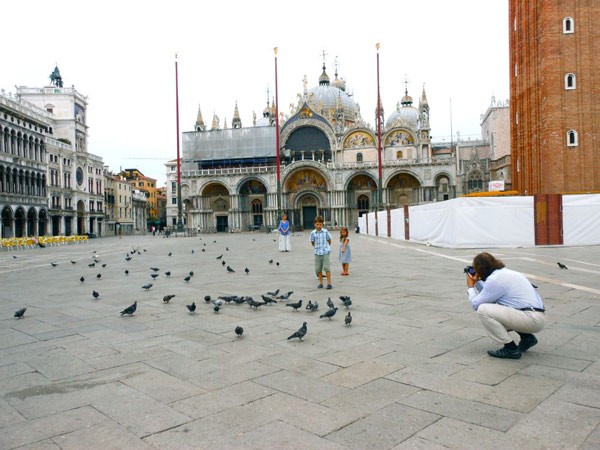
This family and I had the same idea: get up early and have Venice all to yourself.

The peace and tranquility of Venice are best enjoyed early at morning or late in the evening.

On this morning, I ran from Austria to Germany and was treated to a calming moment on a lake before joining the crowds later that day at Neuschwanstein Castle.

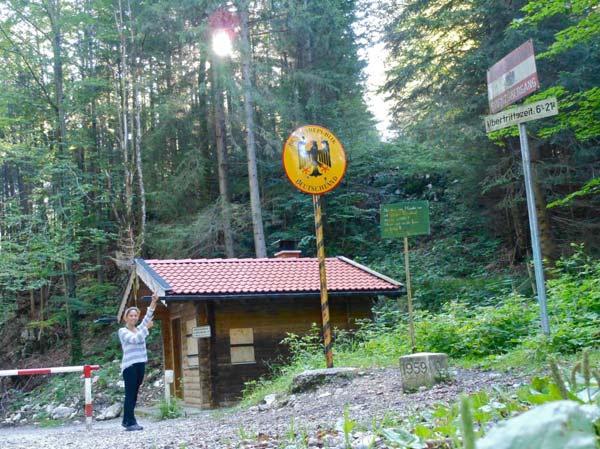
Even the Austria/Germany border guard wasn’t up and about at this early in the morning.

Le Mont-Saint-Michel has stood majestically as a beacon to pilgrims for centuries, and at night it is at its most striking and its most tranquil.

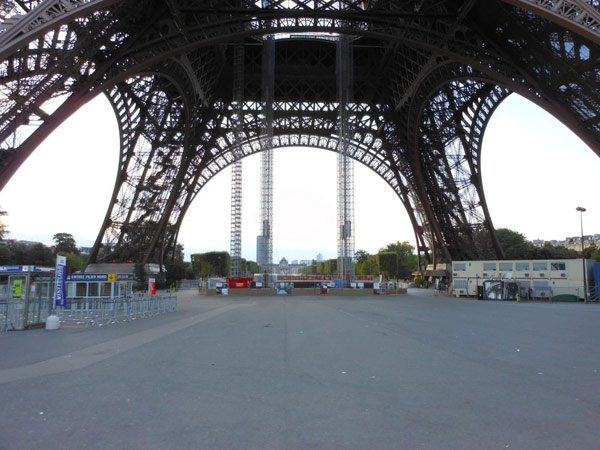
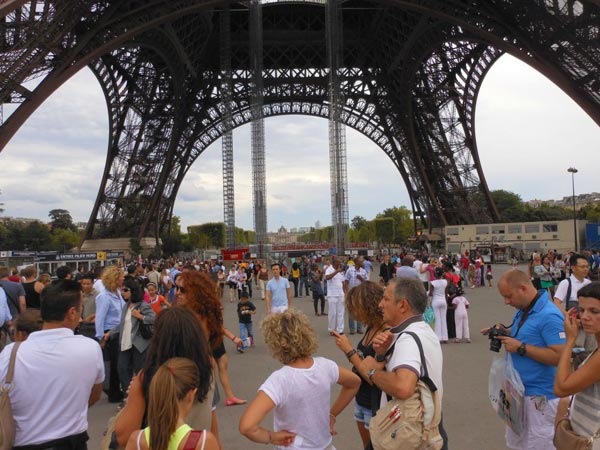
It’s hard to imagine that in only an hour from when I took this shot, this place was full of people standing practically shoulder-to-shoulder.

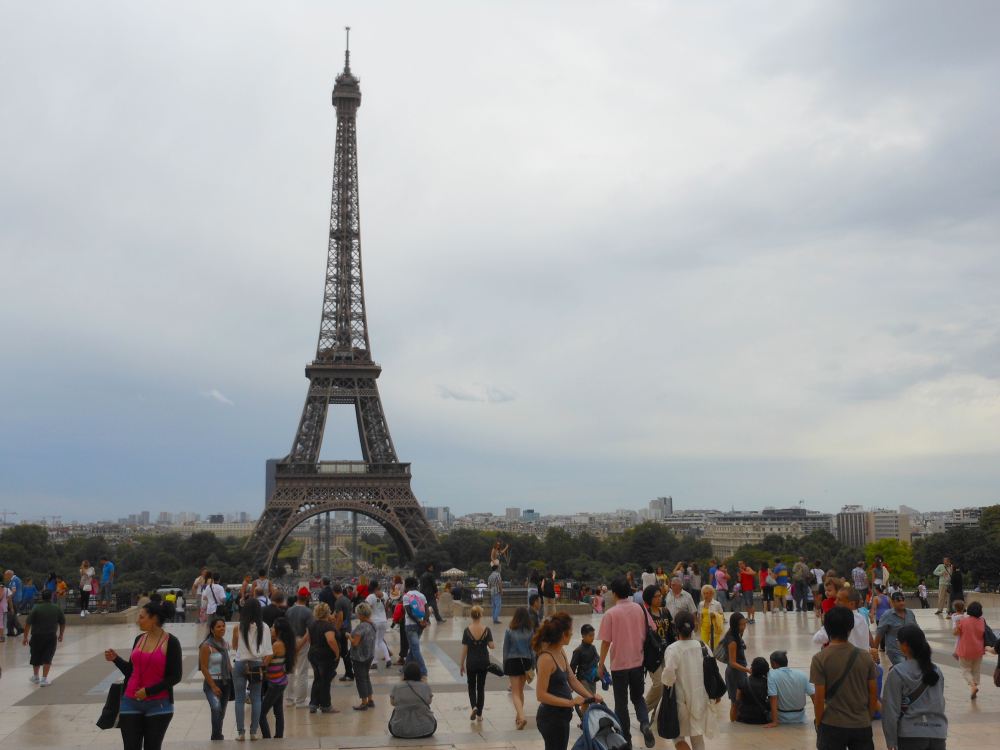
People were waiting for two hours just to buy their tickets so they could stand in line again to take the elevator up the Eiffel Tower.

Early in the morning, you can get a nearly unobstructed view of the Eiffel Tower.