Visiting Arles, travelers tune into the story of Vincent van Gogh. And the city makes it easy. Here’s a little excerpt from our Rick Steves’ Provence & the French Riviera guidebook (and an example of how great it is to have Gene Openshaw’s help in our art coverage):
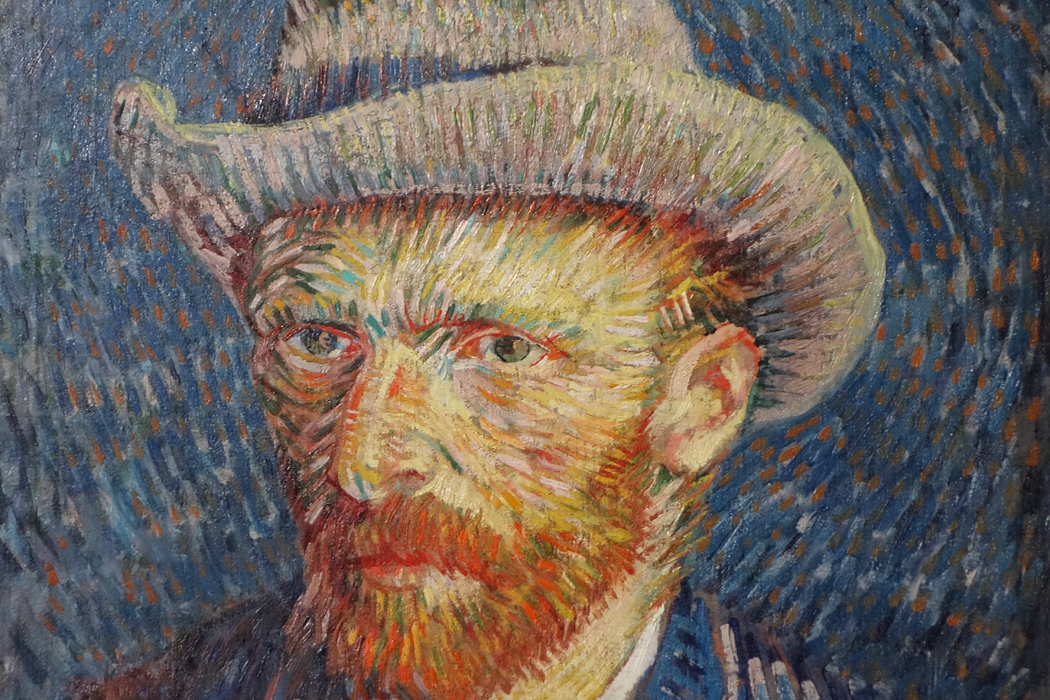
In the dead of winter in 1888, the 35-year-old Dutch artist Vincent van Gogh left big-city Paris for Provence, hoping to jump-start his floundering career and social life. He was as inspired as he was lonely. Coming from the gray skies and flat lands of the north, Vincent was bowled over by everything Provençal: the sun, bright colors, rugged landscape, and raw people. For the next two years, he painted furiously, cranking out a masterpiece every few days.
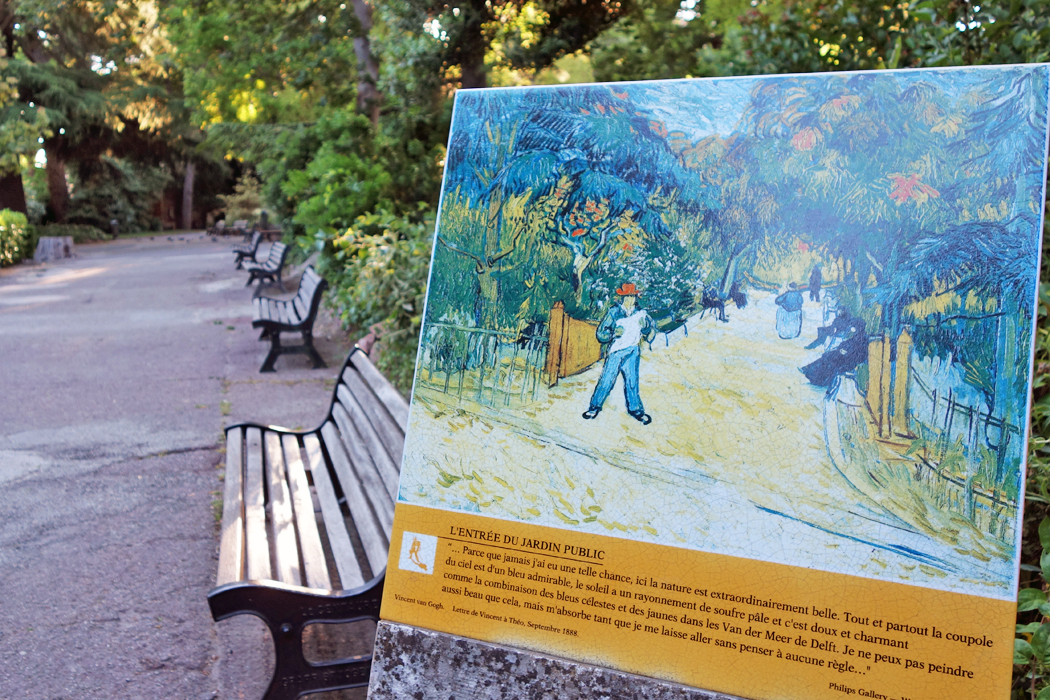
Only a few of the 200-plus paintings that Van Gogh did in the south can be found today in the city that so moved him. But in Arles, you can walk the same streets he knew and see places he painted, marked by about a dozen steel-and-concrete “easels,” with photos of the final paintings for then-and-now comparisons. Here are two examples, accompanied by the text from our book.

The Yellow House Easel
Vincent arrived in Arles on February 20, 1888, to a foot of snow. He rented a small house on the north side of Place Lamartine. The house was destroyed in 1944 by an errant bridge-seeking bomb, but the four-story building behind it — where you see the brasserie — still stands (find it in the painting). The house had four rooms, including a small studio and the cramped trapezoid-shaped bedroom made famous in paintings. It was painted yellow inside and out, and Vincent named it…“The Yellow House.” In the distance, the painting shows the same bridges you see today, as well as a steam train — which was a rather recent invention in France, allowing people like Vincent to travel greater distances and be jarred by new experiences. (Today’s TGV system continues that trend.) Today’s train line survives but is overgrown as the bridge over the river was destroyed in WWII.
Freezing Arles was buttoned up tight when Vincent arrived, so he was forced to work inside, where he painted still lifes and self-portraits — anything to keep his brush moving. In late March, spring finally arrived. In those days, a short walk from Place Lamartine led to open fields. Donning his straw hat, Vincent set up his easel outdoors and painted quickly, capturing what he saw and felt: the blossoming fruit trees, gnarled olive trees, peasants sowing and reaping, jagged peaks, and windblown fields, all lit by a brilliant sun that drove him to use ever-brighter paints.
Jardin d’Eté Easel
Vincent spent many a sunny day painting the leafy Jardin d’Eté. In a letter to his sister, Vincent wrote, “I don’t know whether you can understand that one may make a poem by arranging colors…In a similar manner, the bizarre lines, purposely selected and multiplied, meandering all through the picture may not present a literal image of the garden, but they may present it to our minds as if in a dream.”
Vincent never made real friends, though he desperately wanted to. He palled around with (and painted) his mailman and a Foreign Legionnaire. (The fact that locals pronounced his name “vahn-saw van gog” had nothing to do with his psychological struggles here.)
Also, in my Travelers Café, Cameron just posted a tragically funny (and all too true) tale about keeping the entry for The Last Supper up to date in my guidebook.