Daily Dose of Europe: Piero’s Venice

Until a few weeks ago, Venice was inundated with tourists. But my local friend Piero has a knack for explaining the real Venice. (Here’s hoping that very soon, Venice will once again be crowded.)

Europe is effectively off-limits to American travelers for the time being. But travel dreams are immune to any virus. And, while many of us are stuck at home, I believe a daily dose of travel dreaming can actually be good medicine. Here’s another one of my favorite travel memories — a reminder of what’s waiting for you in Europe at the other end of this crisis.
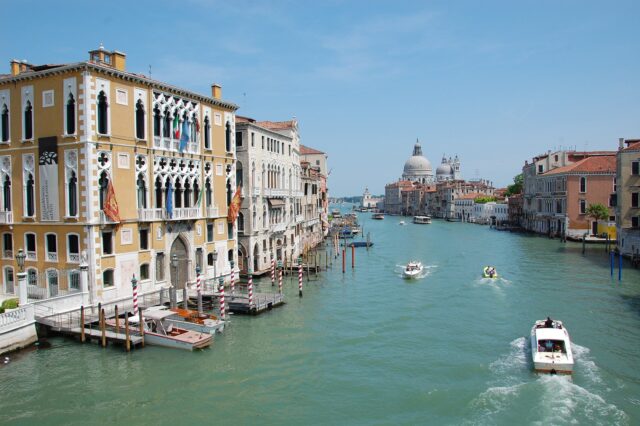
Descending the Rialto Bridge, I shuffle slowly, spinning my wheels in a human traffic jam congesting one of the biggest shopping streets in Venice. Finally breaking free, I turn down a dank and empty lane, reach the big black door of my hotel, and push a bronze lion’s nose. This security buzzer brings Piero to the second-floor window. He welcomes me with a “Ciao, Reek!” and buzzes the door open. I climb the steps, eager to settle in.

Piero, who runs the Venetian hotel I call home, shaved his head five years ago. His girlfriend wanted him to look like Michael Jordan. With his operatic voice, he reminds me more of Yul Brynner. He often says, “My voice is guilty of my love for opera.”

Proud of the improvements in his place since my last visit, Piero shows me around. While remodeling the hotel, he discovered 17th-century frescoes on the walls of several rooms. The place was a convent back then. An antique wooden prayer kneeler, found in the attic and unused for generations, decorates a corner of my room. The whitewash is partially peeled away, revealing peaceful aqua, ochre, and lavender floral patterns. In Venice, behind the old, the really old peeks through.

The breakfast room is decorated with traditional Venetian knickknacks — green and red decorative glass, prints of canal scenes, and sequined masks reminiscent of Carnival indiscretions. The room is strewn with antiques. Everything is old. “It’s kitsch,” Piero admits, “but only the best kitsch.” I sit down. As Piero brings me red orange juice — made from blood oranges — he reports on his work and the latest Venice news. While the sounds of Don Giovanni fill the air, guests prepare for their day.

Piero’s cell phone rings and he apologizes with operatic eyes. “In Italy, this is success.” He answers it and talks as if overwhelmed with work: “Si, si, si, va bene (“that’s fine”), va bene, va bene… certo (“exactly”), certo… bello, bello, bello (“beautiful,” in descending pitch)… OK, ciao, ciao, ciao.” He hangs up and explains, “That was the night manager. Always problems. I call him my nightmare manager.”

In my early travels, hotel night managers were a sorry lot. Generally speaking only the local language, they worked at night when the most complicated guest problems hit. When a tourist in a bind came to them, communication was impossible, so things just got worse. On a good night, they’d spend their time carefully ripping the paper napkins neatly in two so they’d go twice as far at the breakfast table.

Opera continues to fill the air as Piero dashes to help some French guests heading out for the day. He pours coffee for both of us, then sits back down and says, “In hotels all the people are different. The French don’t use the shower. Young Americans are most messy but use the shower very much. I don’t understand this. Americans ask, ‘What is this bidet for?’ I cannot tell them. It is for washing more than the feet. In it we wash the parts…that rub together when you walk.”

“The tourists have taken over your city,” I say sadly.

Walking me to the window and tossing open the decrepit blind, Piero answers, “But Venice survives.”

As my gaze moves from the red-tiled roofs to the marketplace commotion filling the street below, I see his point. Tourists cannot take over Venice.

“Venice is a little city,” he says. “Only a village, really. About 55,000 people live on this island. Not Italian — we are just one century Italian. I am Venetian in my blood. I cannot work in another town. Venice is boring for young people — no disco, no nightlife. It is only beautiful. Venetian people are travelers. Remember Marco Polo? He was Venetian. But when we come home we know this place is the most beautiful. Venice. It is a philosophy to live here…the philosophy of beauty.

“The life here is with no cars…only boats. To live properly in Venice, you must have a boat. With a boat you live in Venice in another dimension — with no tourists. You cruise under bridges and see the tourists walking in their dimension but you are in the Venice of no tourists. The boat is my alternative Venice.”

(These daily stories are excerpted from my upcoming book, For the Love of Europe — collecting 100 of my favorite memories from a lifetime of European travel, coming out in July. It’s available for pre-order. And you can also watch a video clip related to this story: Just visit Rick Steves Classroom Europe and search for Venice.)

Daily Dose of Europe: Helsinki — I Wash You Twice…Relax  

Who else could go for a sauna right about now? I know a great one: a humble, working-class sauna in an untouristy Helsinki neighborhood.

Because of the coronavirus, Europe is effectively off-limits to American travelers for the next few weeks (and likely longer). But travel dreams are immune to any virus. During these challenging times, I believe a daily dose of travel dreaming can actually be good medicine. Here’s another one of my very favorite travel dreams-come-true…a reminder of what’s waiting for you in Europe on the other end of this crisis.

I’m in Helsinki, surveying the city from its fanciest rooftop restaurant. The setting sun glints off the cruise ships in the harbor as fish merchants are taking down their stalls in the market. But a fleshier scene on the rooftop below me steals my attention.

It’s six bankers wrapped in white towels enjoying a sauna. In all proper Finnish office buildings — whether banks, insurance companies, or research institutes — a rooftop sauna is an essential part of the design. Free snacks and drinks at the sauna after work is almost an expected perk. One rotund fellow is so pink from the heat that — with his white towel wrapped around his waist — he reminds me of a pool ball.

As a tourist, I’m not invited to join the bankers on the rooftop. And the few remaining public saunas in Helsinki are in gritty neighborhoods. In this affluent city, most people have private saunas in their homes or cabins. Rough working-class neighborhoods are most likely to need — and therefore have — a public sauna. So I get on the subway and head for Kotiharjun Sauna in the scruffy Sörnäinen district. At first glance, it’s clear that this place is the local hangout — and rarely sees a tourist. Outside, a vertical neon sign in simple red letters reads: SAUNA. Under it, a gang of big Finnish guys wrapped only in small towels fills a clutter of white plastic chairs. They are expertly relaxing.

As there isn’t a word of English anywhere, I rely on the young attendant at the window for instructions. He explains the process: pay seven euros, grab a towel, strip, stow everything in an old wooden locker, wear the key like a bracelet, shower, enter the sauna…and reeeelax.

“Is it mixed?” I ask.

“No, there’s a sauna upstairs for women.”

“What about getting a scrub?”

Pointing to an aproned woman, he says, “Talk directly with her…six euros extra.”

The sauna is far from the sleek, cedar pre-fab den of steam I expected. Six crude concrete steps with dark wooden railings and rustic walls create a barn-like amphitheater of steam and heat. The clientele is tough and working class. A huge iron door closes off the wood stove (which is busy burning through its daily cubic meter of firewood). The third step up is all the heat I can take. Everyone else is twice as high, sitting on the top level for maximum steam and maximum heat. Towel in hand, I’d wondered whether it’d be used for hygiene or modesty. Now inside, the answer is clear…neither.

The entire scene is three colors: gray concrete, dark wood, and ruddy flesh. Naked with their hair wet and stringy, people look timeless. There’s virtually no indication of what century we’re in. But looking at their faces, it’s clear to me: This is Finland.

Each guy has a tin bucket between his legs for splashing cool water on his face. I ask about the bin of birch twigs that sits on the bottom step. Slapping your skin with these, one man explains, enhances your circulation. The roughed-up leaves emit a refreshing birch aroma as well as chlorophyll, which opens the sinuses.

Part two of a good sauna is the scrub down. The woman in the apron scrubs men one at a time all day long. She’s finishing up with a guy sit- ting on a plastic chair, dousing him with water. After his work-over, he looks like a lifeless Viking Gumby.

Awkwardly I ask, “Me next?”

She welcomes me to her table. She reminds me of a Stalin-era Soviet tractor driver.

I ask, “Up or down?”

She pushes me flat…belly up…and says, “This is good. Now, I wash you twice.”

Lying there naked, I feel like a salmon on a cleaning table, ready for gutting. With sudsy mitts, she works me over. Then she hoses me off, which makes me feel even more like a salmon. It’s extremely relaxing. Moving from deep in my scalp to between my toes, she washes me a second time.

Stepping back out into the gritty Helsinki neighborhood, I’m clean, relaxed, and assured that — for bankers, laborers, and tourists, too — the sauna is the great equalizer.

(This story is excerpted from my upcoming book, For the Love of Europe — collecting 100 of my favorite memories from a lifetime of European travel, coming out in July. It’s available for pre-order. And you can also watch a video clip related to this story: Just visit Rick Steves Classroom Europe and search for Helsinki).

Coronavirus Reports from Our Guides Around Europe

My entire office staff is working from home. But we’re not alone. Much of Europe is also taking part in quarantine and “social distancing” measures to halt the spread of coronavirus. One of the rare bright spots of these last several days have been the beautiful, touching, and sometimes funny reports from my European friends, which have been trickling in from all over the Continent. It’s clear that we are all in this together.

Here are a few highlights:

From Pål Bjarne Johansen in Oslo

I’m currently in quarantine in my apartment in Oslo after coming back from Spain. Luckily my girlfriend is here with me also. We have filled up the fridge and spend the time reading, cooking, scrambling together any little work we might find, and enjoying being in each other’s company.

The Norwegian government has launched pretty heavy economical help. Even freelancers seem to be getting some, so we will get by for sure. I worry more for people in other countries where the health system is not adequate and where losing your job means no income.

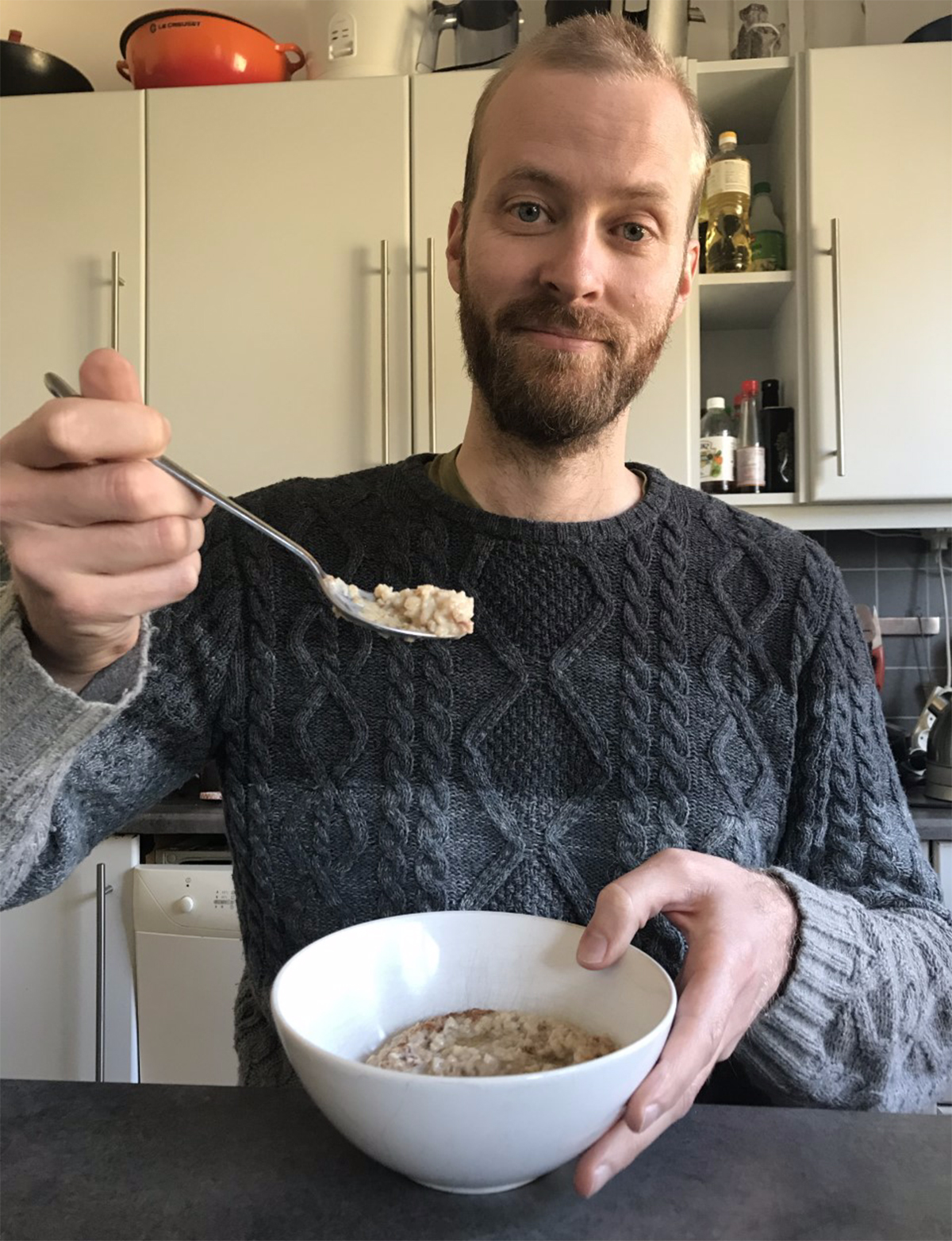
P.S. Plenty of porridge eating these days…and the freezer is full of lutefisk so we should be fine 😉

Stefan Bozadzhiev in Sofia, Bulgaria

It’s good to know that across the continents and oceans we belong together, we are a community, a family! We live in uncertain times, but we do hope for the best!

I’m at my home in Sofia, not willing to take any chances to go back to Kazanlak to my family, as my mom has underlying conditions and my grandparents are in their 80s. They have all the products and meds at the moment. Yesterday I had to visit numerous pharmacies just to get some vitamins. The prices of masks, sanitizers, and vitamins are skyrocketing — of course, if we manage to find some. The good thing is that people started organizing themselves and there are numerous volunteers, helping all those who cannot leave their homes. We have never had so many volunteers, and donations to public hospitals are pouring in.

It’s so strange for me not being able to go out and do what I love: showing my beautiful Bulgaria to curious travelers and teaching them about life here. This is what I miss most now.

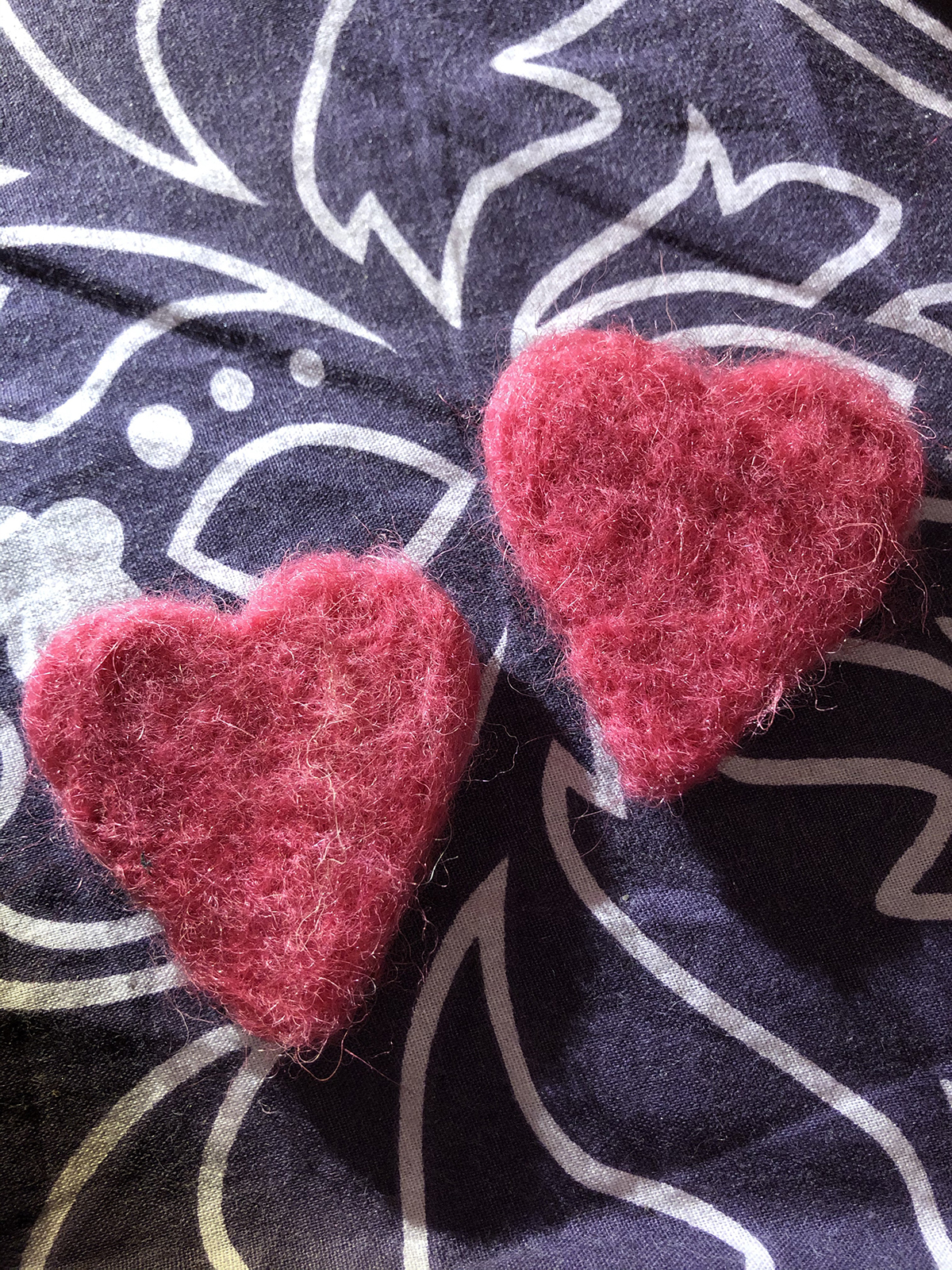
Now I started gardening (on my balcony) and needle felting. As I can’t make masks for the hospitals, I decided to start making felted hearts and give to the medical staff, so that they know they are not alone in this fight. We are in this together!

I am sure we will handle this crisis and will weather the storm together! Stay healthy!

David Tordi (and Bartender) in Orvieto, Italy

Our friend and fellow tour guide, David Tordi (from Orvieto, Italy), leads a band called Bartender. We flew the entire band in to entertain our annual tour guide summit last year. During Italy’s lockdown, David’s guitar trio has innovated a way to share their unique brand of uplifting music while quarantined in their respective homes. It’s a beautiful thing to see:


Other Guides’ Video Reports

Several other guides are posting reports on Facebook:

Cathie Ryan live-streamed a musical St. Patrick’s Day greeting earlier this week.

Véronique Cauquil Savoye has been posting regularly on Facebook about what it’s like to live in Paris during these fast-changing times.

And Anna Piperato in Siena, Italy, shared her thoughts from home isolation.

Tina Hiti in Slovenia

Finally, Tina Hiti shared this especially poignant story about her two young boys, who love travel as much as she does, and how their family is weathering the crisis:

“Mom, are we not going to travel anymore?” was the first response of my 10-year-old son, when he heard that the tours I was planning to guide had been cancelled. Since I don’t want to reply with “I don’t know,” I started reassuring him that this will only last for a little while and everything will be back to normal soon: “We will travel! Don’t worry — there is a lot of world out there that we still need to see…”

This conversation happened exactly on March 1st. Today it’s March 16th and I am just about to download a program for the boys that will allow them to continue “going to school” for the next couple of weeks — well, at least, that’s what we are hoping for.

I have been working as a guide on Rick Steves’ Europe tours for the last 18 years. Travel has been a passion of mine for all my life, and with every passing year, I love it even more. It is addicting, travel. In our family especially. I traveled as a child with my Mom, Dad, and sister. I found a partner in life who loves it, too — and does the same job as me. And when we had kids, we decided to travel with them as much as possible. Every room in our house has treasured memories from travels around the world. When we don’t travel for our work, we travel for fun. We just returned from an ice hockey tournament in Canada — over 200 teams from all over the world competing in what my boys think is the best sport in the world. We had the time of our lives. But then, in the blink of an eye, everything changed. Our passion for travel will now be browsing through pictures and looking at our walls at home…hopefully not for too long.

In Slovenia, the first coronavirus patient appeared on March 3. It felt so distant when news started coming from China of a new virus just a bit after New Year’s. Now it doesn’t anymore. It is here, with us, spreading around, and if we don’t act responsibly it will just spread more.

When my first tours to Italy were cancelled, I was worried, scared, in disbelief…but now, two weeks later, I know I am not alone in this. As the pictures from Italy were appearing on social media, I couldn’t believe how deserted and empty everything was. And now we have exactly the same situation. From March 16th on, all our public life is on hold. Schools are closing down, public transportation is shut, the airport no longer has any flights, borders are closed, and all other things are closed too — with the exception of supermarkets and pharmacies. Our government strongly suggests that we are all in self-isolation for at least two weeks, if needed even more.

Am I scared?  I was. But now the feeling is different. The fear is there, but there comes also the strength, determination, and some kind of reassurance that all will be OK eventually. Because I know we are all strong. There is hope on every corner. Amazing doctors that risk their lives and work overtime every single day. Police, fire departments, civil protection, volunteers, medical students. People offering help to the elderly. Music being played randomly on balconies. Even nature has decided to stick with us: The sun is shining and the flowers are blooming. The situation is gloomy, unpredictable, and full of uncertainty. But I believe we will all come out stronger, wiser, and more appreciative of the little things in life that we have taken for granted for so long. Maybe this is a reset for the world, for all of us.

So how we will make it work? We will spend quality time with our kids. We will help them with school when needed, play games that were stuck deep down in our wardrobes, teach them new ones, explore our neighborhood (thankfully, we live in a village), hang out with the grandparents, and travel through cuisine — cooking meals from corners of the world that we have visited. We’re reliving our trips through photographs that have been sitting on the computer for way too long. Cleaning closets, remodeling, going back to hobbies, reading books, listening to music, exercising, biking, playing hockey in the backyard, gardening…and resting. Slowing down. Being thankful for all good things in our lives with a hopeful thought that this is only a storm, and that rain eventually needs to stop.

And yes, my dear son, we will travel again!

Stay Connected with Our European Friends

If you’re in Europe and want to share your experiences, please do so in the comments.

And if you’re touched by these reports, as I am, take a moment to reach out to your favorite guides. They’re doing their part to weather this crisis, just like we are, and we need each other more than ever.


No More Europe Trips…for Now

It’s astonishing how much the world has changed in the week since I wrote this message. Italy went into full lockdown. The CDC moved most of Europe (except the UK, Ireland, and Turkey) to “Level 3” travel advisory: Americans should cancel nonessential travel there. And across the US, everything from local schools, to NBA and March Madness games, to theme parks and music festivals have been cancelled. And that’s just as of March 13.

We’ve decided to cancel all of our Rick Steves’ Europe tour departures through April 19, and we are closely monitoring the situation, with a plan to cancel additional departures as needed. If you are booked on a Rick Steves tour, keep an eye on our up-to-date Coronavirus Tour Member FAQ. Our top priority is the health and well-being of our travelers and tour guides, and our sense of responsibility not to contribute to the further spread of the virus. Even though Americans are still technically allowed to visit Europe…you probably shouldn’t.

Cancelling these tours is a hard decision. Sure, we stand to lose a lot of revenue. But much more important to me is that I hate to see so many long-yearned-for travel dreams dashed. And our hearts are going out to our European guides, hoteliers, bus companies, and other partners and friends in the travel business who are suffering financially. In the coming weeks, I’ll be collecting and sharing on-the-ground coronavirus reports from these European friends.

As for me: Even though Turkey is still not included in the CDC travel advisory, it’s pretty clear that I won’t be on the flight I’ve booked to Istanbul on April 12. I have such fun travels planned for this year, but I’ll play it safe, decide closer to the departure date, and take them one trip at a time. I know I’ll get back to Europe — I’m just not sure yet exactly when.

Our tours may be on hold, but Rick Steves’ Europe is not going into hibernation. My office staff of 100 is now working mostly from home, with instructions to take good care of all those whose dreams to travel on a Rick Steves tour have been upended (at least, in the short term), and to keep producing top-quality travel content. Our mood is actually upbeat — confident that this pandemic will pass and Americans will be heading back to Europe before long. And when they do, our team at Rick Steves’ Europe will be ready to inspire, inform, and equip them to have the best trips possible.

In the meantime, we’ll shift into “armchair travel” mode. You probably won’t be going to Europe in the next several weeks — and in fact, you may be stuck inside your house. But that doesn’t mean you can’t dream about your next trip and think back on your favorite European moments. Keep an eye on my blog and Facebook, where (starting today) I’ll be sharing a “daily dose” of my favorite European memories. We all deserve a break from panic-inducing headlines…and travel dreams are immune to any virus.

During this crisis, we stand in solidarity with our fellow travelers and Europe-lovers — and with our European friends who are fighting this same fight. We’ll stand together, remain militantly optimistic, and look forward to the day when we turn those wonderful travel dreams into reality.

Thank you for being part of this community of travelers. And keep on traveling…even if, for now, it’s from home.

Health on the Road in the Age of Coronavirus

Coronavirus has reached Europe — and it’s spreading. There’s no way to predict how the virus will impact travel in Europe in the coming weeks. The crisis may be old news in a month, or it may cause economic activity (including tourism) to grind to a halt through 2020. By any honest assessment, nobody knows for sure.

In the meantime, should you cancel your trip to Europe? I see two considerations: the danger of actually getting the virus, and simply not wanting to risk the possibility of flights being cancelled, sights being closed, and streets being empty. And then, the big question: when to make your decision?

Complicating matters is the reality that our commercial news media, by its nature, sensationalizes the danger of this or any crisis. Before making any decisions, it’s important to take a breath and keep things in perspective. So far this winter, the run-of-the-mill flu has killed about 16,000 Americans…and yet, more than half of us don’t even bother to get a flu shot.

Because Coronavirus is especially high-risk for the elderly and people with compromised immune systems, people in those categories should minimize their exposure. But for the hale and hearty, it’s a more complicated decision. Keep a close eye on updates from the World Health Organization (WHO) and US Centers for Disease Control and Prevention (CDC), who have been carefully tracking the spread of the virus across Europe.

As for me, I’m booked on a flight to Istanbul on April 12. At this point, I haven’t even thought about cancelling. I’m thinking positive and hoping to make my trip. If things change between now and then, I’ll do the responsible thing. But for now, Easter Sunday is, for me, wheels-up.

One thing we do know is that, regardless of Coronavirus news, basic health and hygiene while traveling have become a bigger priority. If you choose to keep on traveling, you’ll want to keep yourself healthy — and be a responsible traveler by taking steps to avoid spreading the virus.

How? We’ve come up with new standards that our guides will use to encourage healthy conditions on our Rick Steves bus tours in 2020. These same strategies are just as applicable for independent travelers:

  • Wash hands frequently, with soap and hot water, for at least 20 seconds.
  • If you can’t wash your hands, use hand sanitizer (60% alcohol or higher).
  • Stock up on packets of tissues (widely available throughout Europe) and alcohol-based sanitizing wipes (less common in Europe, so bring these from home).
  • Cover your mouth when coughing (with the inside of your elbow).
  • Avoid touching your face — the eyes, nose, and mouth are areas where illness can easily spread.
  • Stay hydrated — drink lots of water (tap water is safe to drink anywhere in Europe).
  • Get your sleep.
  • Opt out of activities if you’re feeling tired or unwell.
  • If not feeling well, go to pharmacy or see a doctor. (Your guide or hotel staff can help.)

It remains to be seen exactly how, and for how long, European travel will be affected by Coronavirus. We’re staying on top of the situation and posting important updates on our website. Stay informed, stay healthy, and — if you deem it safe and responsible — keep on traveling.