Afternoon Storms in Scandinavia

afternoon-storms

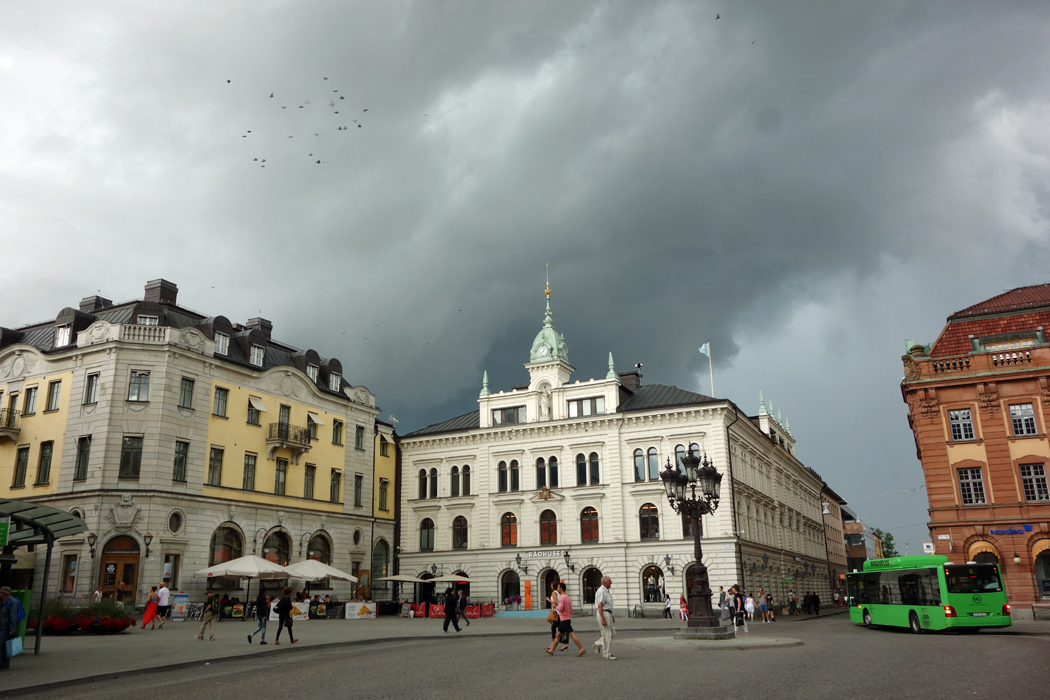
This shot (in Sweden’s Uppsala) shows weather I’ve experienced almost every afternoon for the last month. Throughout northern Europe, it’s been extremely hot and muggy. With all that moisture sucked up into the atmosphere, around 4 p.m. every afternoon, dark clouds descend, birds rush for cover, you smell that metallic dusty fragrance sidewalks give off just before a deluge, and the sky unloads — sending everyone scrambling.

By the way, do you know what I mean about that delightful scent a dry sidewalk gives off before a big rain? What is that, anyway?

Stockholm Fun

I’m having a great time in Stockholm — biking around the city, placing a call from my own private telephone, and bumping into one of those Rick Steves tour groups.

bike-stockholmStockholm is one of Europe’s most beautiful cities — and it’s like none other for joyriding on a bike. Bike paths are a city-planning priority, and they run along the entire harbor. And parklike islands are biking utopias. Djurgården (“Animal Garden”) was the king’s private hunting preserve. Today it’s a vast park dotted with fun sights. I’d make a point to bike in the early evening, when lots of people are out, the light is warm, and colors pop. Getting a bike is cheap and easy in Stockholm (there’s a good rental place and a welcoming info center with good biking maps right next to the bridge that connects Djurgården to the rest of the city).


rikstelefonWhile almost no one ever uses my phone these days, every time I’m in Stockholm, I drop by the cathedral in the Old Town (Gamla Stan) just to hear the friendly dial tone on Riks telefon.


tour-group-and-rickWhile in Sweden, I bumped into one of our happy tour groups. Scandinavia is Europe’s most expensive region, so it’s our challenge to be sure this particular itinerary is as good a value as possible. And, of our 35 different Rick Steves tour routes, Scandinavia is selling really well this year. As a Norwegian myself, I’m particularly happy that we have a new guide — Pål Johansen, our first from Norway — who’s getting rave reviews. The entire group thought we looked like cousins, which — in a Viking sort of way — we are. Can you spot Pål in this photo?

Tonight It’s Leftovers — Swedish Snapshots from My Trip

I’m really enjoying my time in Sweden. Here are a few random photos that capture what I’m experiencing — as well as some practical advice.

swedish-beach-boysSweden may not have staggering fjords like Norway, but all along its coast, you’ll find some impressive abs. The city of Kalmar has opened a wonderful new beach, called Sundsbadet, just beyond its castle. On a hot summer day, this is a festive and happy slice of Swedish life — well worth a stroll even if you’re not actually “going to the beach.” This new facility put Kalmar (quite popular with RVers and the yachting crowd) on the fun-in-the-sun map. With showers, snack stands, sandcastles, beach access for wheelchair users (a ramp goes right into the water), and views of the castle, it’s a delight. And if you enjoy people-watching, it’s a combination Swedish beauty pageant/tattoo show.


cheap-lunch-rick-stevesThis dinner I enjoyed on a train ride through Sweden was a $5 feast. Sure, I can afford a good restaurant meal even in expensive Sweden. But a cheap, healthy, and fast picnic helps the train ride go by quicker. Even in the most expensive corner of Europe, you can eat well and affordably. Convenience stores are big throughout Scandinavia (with a 7-Eleven on seemingly every corner). While convenient and cheaper than any restaurant, these places charge about double what you’ll pay for basic food in a grocery store. With a trip to the grocery store, I can get a big, cheap bag of almonds to munch on for days. A kilogram bag of carrots reminds me of the days when I didn’t know how to communicate a smaller amount and ended up with a kilo of whatever I was buying. A big bag of carrots may be cheap…but it lasted for days’ worth of snacks. Yogurt is drinkable, cheap, and tasty anywhere in Europe. A box of juice cost about two dollars (always look for “100%” — easy to spot in any language — or else you’ll get a sugary “juice drink”). And the main course: the ham-and-cheese sandwich I pocketed from my breakfast buffet. (I wouldn’t advocate this petty theft publicly. But somehow I don’t feel bad stealing a sandwich from my hotel breakfast buffet in Scandinavia, considering how much of the room cost is taxes — about $50 a night — that support a lavish social system I’ll never benefit from).


haircut-rick-steves-sweden I used to dread having to get a haircut in Europe. It was one time that the language barrier had real and enduring consequences — and besides, finding a barber took precious time out of my sightseeing day. But for the last few years, I’ve relished the opportunity to get a haircut wherever I am in Europe because it gets me in a chair talking with a real person who’s not in the tourist trade. Here in Växjö, in the middle of Sweden, I enjoyed getting to know Maria — an immigrant to Sweden from Bosnia — who gave me unique insight into Swedish culture today.


work-tableWhen I’m researching my guidebooks in Europe, I have to be disciplined about staying on top of my “inputting.” Each day I have, on average, six hours with a local guide. That’s a lot of notes. And each hotel room becomes my office: I arrange my desk for the best light, and sort through my marked-up maps, business cards, and scribbles in my chapters. If notes are not dealt with in a shipshape way, all that hard work in the streets can be ultimately wasted.

The best side-trip from Stockholm: Uppsala

Uppsala, Sweden’s fourth-largest city, is the best side-trip from Stockholm — just under an hour away by train. While it’s a small city, it comes with a big history.

A few blocks in front of the train station, an inviting commercial center bustles around Uppsala’s main square and along its scenic riverfront. Across the river towers its historic cathedral and a venerable university, with a museum showing off a rare 17th-century anatomical theater along with its prestigious academic accomplishments, and a library with literary treasures on display.

Uppsala was also home to the father of modern botany, Carl Linnaeus, whose home and garden — now a museum — provide a vivid look at this amazing scientist and his work. Linnaeus lived here from 1743 until 1778, while he was professor of medicine and botany at the University of Uppsala. It was here that Linnaeus developed a way to classify the plant kingdom. The museum fills Linnaeus home (which he shared with his wife and seven children) with the family’s personal possessions and his professional gear. You’ll see his insect cabinet, herbs cabinet, desk, botany tools, and notes. Wandering the garden where the most famous of all botanists did his work, you can pop into the orangery, built so temperate plants could survive the Nordic winters.

Just outside of town stands Gamla (“Old”) Uppsala, a prehistoric series of mounds where the nation of Sweden was born back in the Iron Age. This site gives historians goose bumps even on a sunny day. It includes nine large royal burial mounds circled by a walking path, all with English descriptions. Fifteen hundred years ago, when the Baltic Sea was higher and it was easy to sail all the way to Uppsala, the pagan Swedish kings had their capital here. Old Uppsala is where the petty Swedish kingdoms came together and a nation coalesced. It was here that Sweden became Christianized a thousand years ago. In 1989, Pope John Paul II gave a Mass right here to celebrate that triumph of Christianity over paganism in Sweden.

If you’re not traveling anywhere else in Sweden other than Stockholm, Uppsala makes a pleasant day trip.
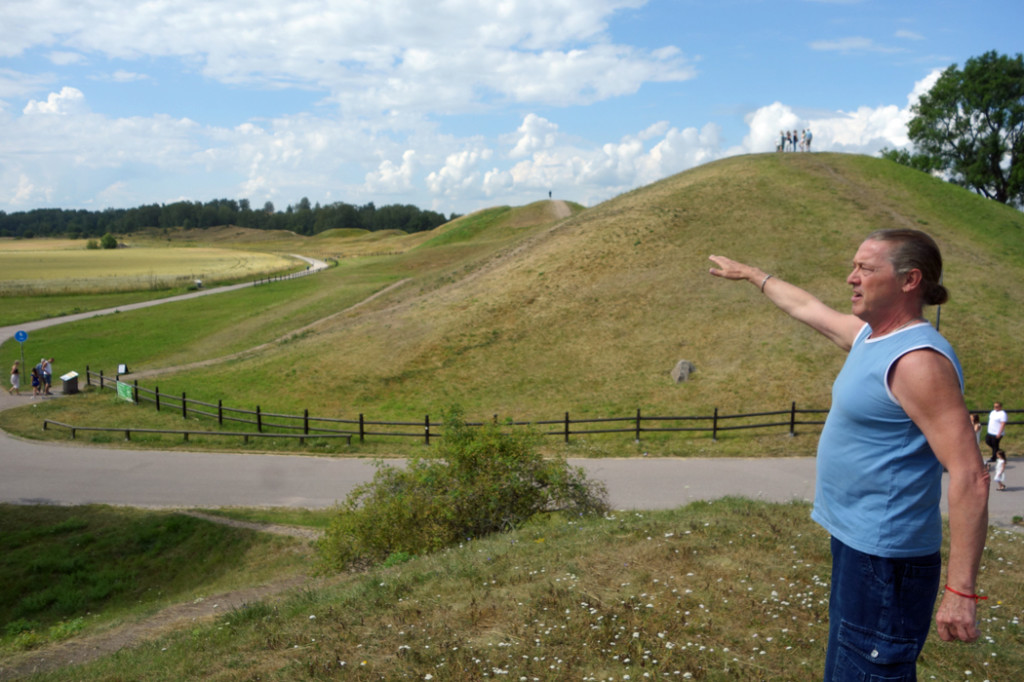
hakan-at-gamla-upsalla-uppsala-swedenThe highlight of a visit to Gamla Uppsala is climbing the burial mounds and imagining the scene over a thousand years ago when the democratic tradition of this country helped bring the many small Swedish kingdoms together into one nation. Entire communities would gather at the rock that marked their place. Then the leader, standing atop the flat mound (where Håkan is in this photo), would address the crowd as if in a natural amphitheater, and issues of the day would be dealt with.
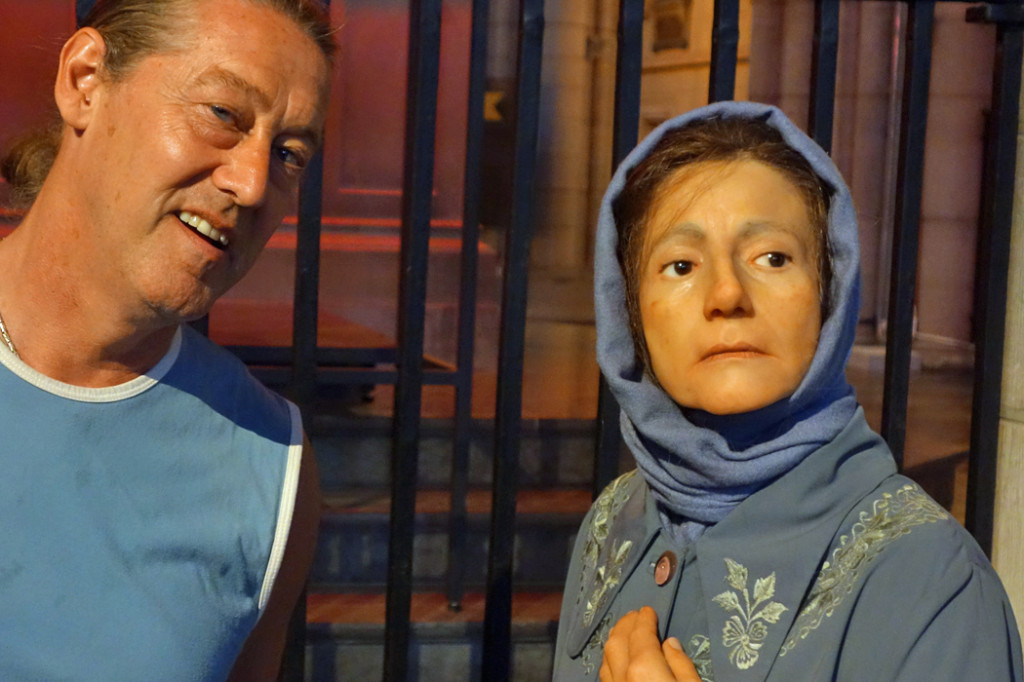
 

humble-Mary-protestant-swedenIn Uppsala’s Lutheran cathedral, you’ll find a different take on the Virgin Mary. This eerily lifelike statue from 2005, called “Mary (The Return),” captures Jesus’ mother wearing a scarf and timeless garb. In keeping with the Protestant spirit here, this new version of Mary is shown not as an exalted queen, but as an everywoman, saddened by the loss of her child and seeking solace — or answers — in the church.
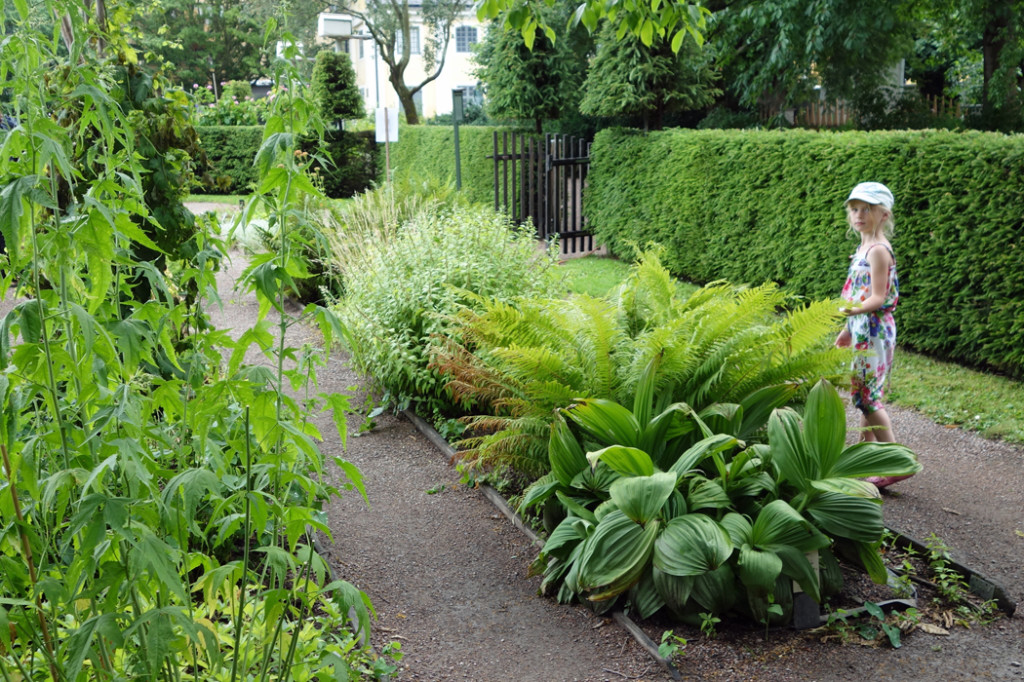
 

Linnaeus-garden-swedenStrolling the first botanical garden in Sweden, at the former home of Carl Linnaeus, I felt like this child: filled with wonder. Carl Linnaeus ran this botanical garden, living on site to study the plant action — day and night, all year round — of about 3,000 different species.
Sigtuna’s Rune Stone with Personality

Twenty years ago, I visited the historic but cutesy town of Sigtuna (half an hour north of Stockholm) and wrote it off as a tourist trap. I just revisited with my Stockholm friend and guide, Håkan Frändén, and reassessed the place. Sigtuna is great. I’d recommend it…and it comes with some sassy rune stones. Check this one out.